Choosing a Reliable Emergency Tree Service Near You
Emergencies involving trees can strike without warning, leaving property owners facing sudden damage, safety hazards, or blocked access. Whether it’s a powerful storm toppling a tree onto your driveway or a weakened branch threatening your home, handling tree emergencies requires immediate attention and expertise. In these high-stress situations, knowing how to select a reliable emergency tree service can save time, money, and prevent further damage. The challenge lies in identifying professionals who can respond quickly while ensuring safety and proper tree care practices. Additionally, understanding local regulations and permits related to tree removal can prevent legal complications during urgent situations. Quick, informed decisions often make the difference between a manageable incident and a prolonged property risk.
A
trusted emergency tree service not only addresses the immediate problem but also evaluates surrounding risks, preventing future incidents or secondary hazards. Many homeowners make the mistake of attempting DIY tree removal during emergencies, often leading to accidents, injury, or property damage. Professional arborists bring the right equipment, technical skills, and experience to manage emergency situations efficiently and safely. They also provide advice on preventative care, helping property owners reduce risks from storm damage, decay, or unstable trees in the future. Understanding what makes a tree service reliable, the services they offer, and the factors to consider when hiring can empower property owners to make informed decisions with confidence. In the following sections, we will explore practical strategies, key considerations, and expert insights to help you choose the best emergency tree service near you, ensuring both safety and long-term tree health.
1. Understanding Emergency Tree Services
What Constitutes an Emergency
Not every tree problem qualifies as an emergency. True emergencies typically involve immediate safety risks or property damage. Examples include:
- Trees or large branches blocking roads or driveways.
- Fallen trees causing structural damage to homes or vehicles.
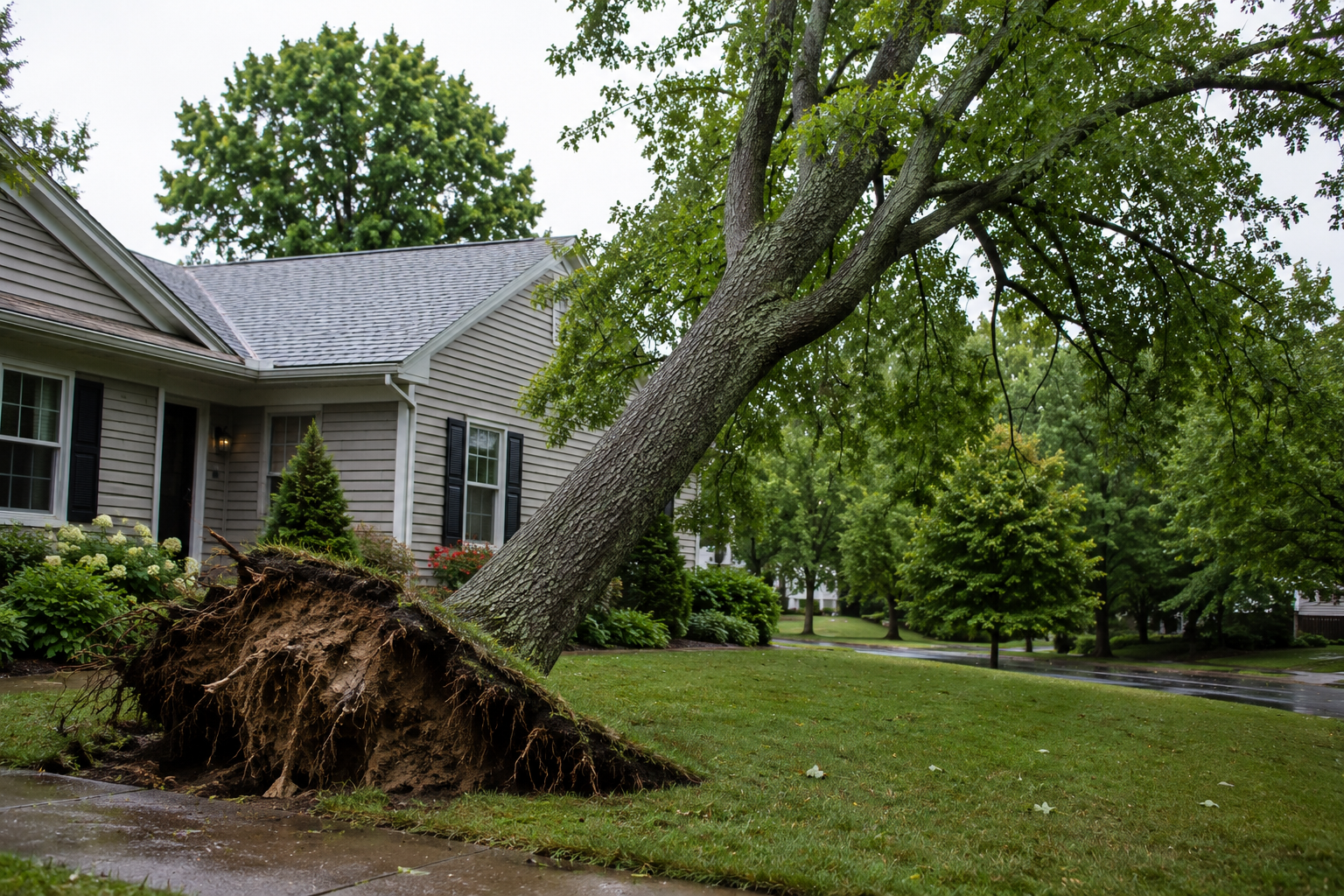
- Leaning trees with the risk of toppling due to storms or root failure.
- Trees posing hazards to power lines or utilities.
Identifying whether a situation is an emergency ensures you engage the appropriate service without unnecessary delays.
Types of Emergency Tree Services
Emergency tree services encompass a range of interventions, including:
- Tree Removal:
Cutting down trees that are dead, unstable, or causing damage.
- Storm Damage Cleanup: Removing fallen trees and debris after severe weather events.
- Branch and Limb Removal:
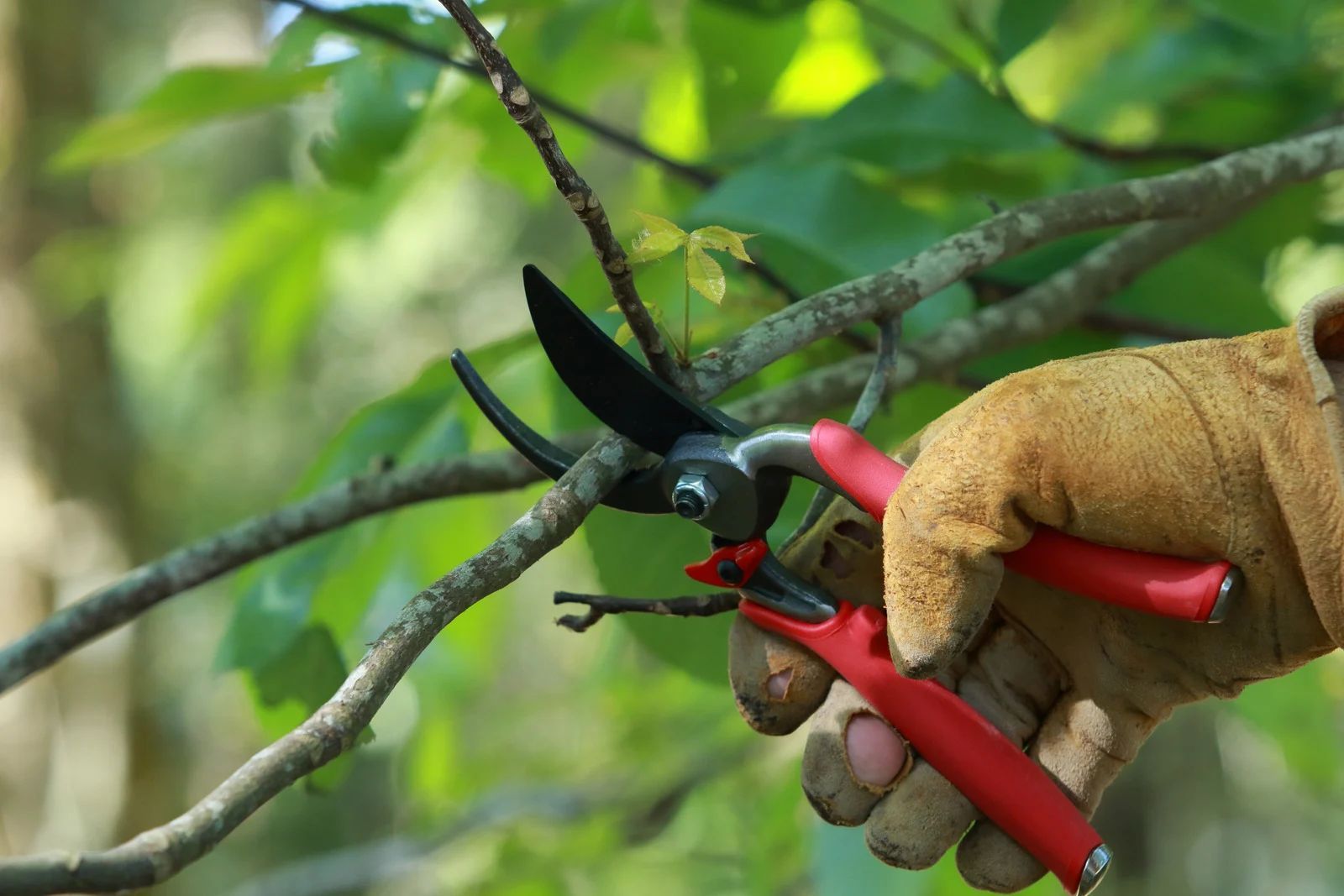
Addressing dangerous branches before they cause harm.
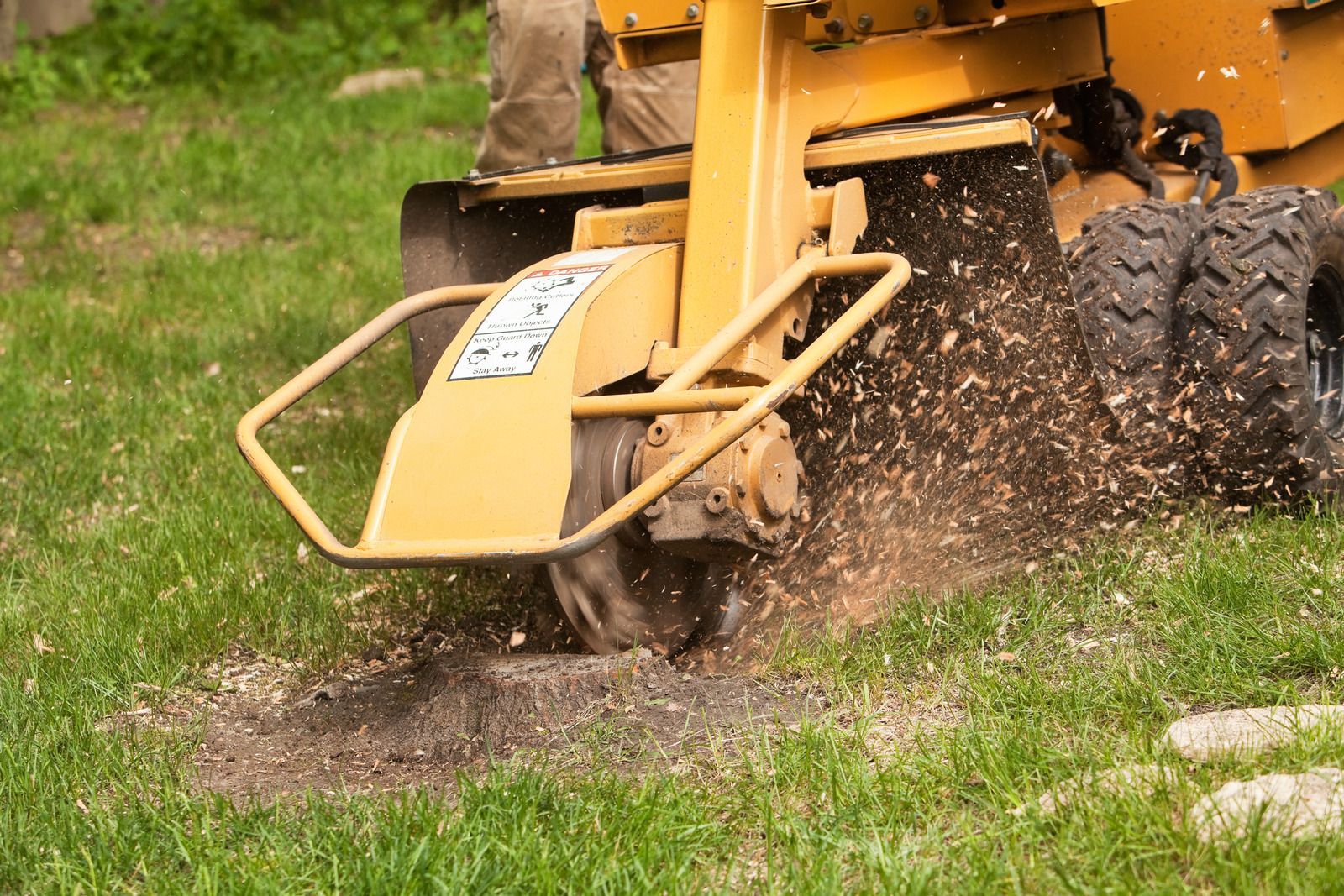
- Stump Grinding: Eliminating stumps that may pose hazards or obstruct property access.
Professional arborists can assess the situation and determine which service is needed, avoiding partial solutions that may compromise safety.
Importance of Professional Expertise
Emergency tree work is risky. Mishandling a heavy limb or using improper cutting techniques can cause injuries or property damage. Certified arborists combine knowledge of tree biology, safety protocols, and industry-standard equipment to handle emergencies efficiently.
2. Qualities of a Reliable Emergency Tree Service
Prompt Response Times
In emergencies, time is critical. Reliable services understand the urgency and often offer 24/7 availability. Fast response helps prevent additional damage, reduces risks to life and property, and mitigates financial losses.
Example Scenario: After a sudden storm, a large oak tree leans over a garage. A service that responds within hours can remove the tree safely, whereas delays may result in structural collapse or further damage.
Proper Licensing and Insurance
Licensed and insured tree services protect both the property owner and the workers. Licensing ensures that the company meets local safety and operational standards, while insurance covers potential accidents or property damage during the work.
Expert Tip: Always request proof of insurance and verify licenses before hiring. This protects you from liability if injuries or accidents occur on your property.
Experienced and Certified Arborists
Experience matters. Technicians with formal training or certifications from organizations like the International Society of Arboriculture (ISA) bring professional judgment to emergency situations. They can assess tree stability, anticipate hazards, and implement safe removal strategies.
Availability of Proper Equipment
Emergencies require specialized equipment such as chainsaws, cranes, wood chippers, and safety gear. A reliable service invests in modern tools and maintains them to ensure efficiency and safety during urgent operations.
3. How to Evaluate Emergency Tree Services
Online Research and Reviews
Start with online research to identify reputable local companies. Websites, Google reviews, and social media profiles often reveal customer experiences and service quality. Look for patterns in feedback, especially regarding response times and professionalism during emergencies.
Checking References
Request references from previous clients, particularly those who required emergency services. Speaking directly with past customers provides insight into real-world performance, professionalism, and safety standards.
Asking the Right Questions
Before committing, ask key questions to gauge reliability:
- How quickly can you respond to an emergency?
- Are your arborists certified?
- What safety measures do you follow during tree removal?
- Do you provide insurance and liability coverage?
- Can you handle storm damage cleanup or complex tree removal?
Clear, confident answers indicate a service that is prepared for emergency situations.
4. Common Challenges in Emergency Tree Situations
Safety Risks
Falling branches, unstable trees, and nearby power lines make emergency tree work extremely dangerous and potentially life-threatening. Attempting DIY solutions can lead to severe injuries or significant property damage. Professionals use safety ropes, harnesses, and cranes to carefully mitigate risks while maintaining strict safety standards.
Weather Conditions
Emergency situations often occur during storms, hurricanes, or other adverse weather conditions, complicating removal efforts considerably. A reliable service adapts to challenging conditions without compromising safety, ensuring rapid and effective resolution even in heavy rain, strong wind, or occasional lightning strikes.
Property Damage Risks
Improper removal can damage landscaping, roofs, fences, vehicles, or even underground utilities. Professional arborists plan and execute removals strategically to minimize property damage while prioritizing safety, efficiency, and long-term tree health considerations.
Logistical Issues
Large fallen trees can obstruct roads, driveways, or critical access points, complicating removal and cleanup efforts. Experienced services bring the right equipment, skilled manpower, and careful planning to navigate tight spaces and safely transport debris off the property efficiently.
5. Best Practices When Hiring an Emergency Tree Service
Prioritize Local Companies
Local services are often faster to respond due to proximity, reducing potential risks during urgent situations. They also have familiarity with the local tree species, soil conditions, and regional weather patterns, which can significantly improve safety, efficiency, and overall effectiveness.
Get a Detailed Estimate
Even in emergencies, a transparent and comprehensive estimate helps avoid unexpected financial surprises. Reliable services provide a detailed breakdown of labor, equipment, and disposal costs, ensuring fair pricing and preventing overcharging during critical urgent situations.
Confirm Safety Protocols
Ask specifically about the safety measures the company follows, including personal protective equipment, fall protection systems, and proper cutting techniques. A service that emphasizes strict safety standards demonstrates professionalism, technical expertise, and commitment to protecting both people and property.
Plan for Follow-Up Care
After an emergency removal, the property may require cleanup, stump grinding, or preventative pruning to reduce future risks and maintain tree health. Reliable services often offer thorough post-emergency care or scheduled maintenance plans to ensure ongoing safety and aesthetics.
Maintain Contact for Future Emergencies
Establishing a long-term relationship with a dependable tree service ensures rapid response for any future incidents or seasonal hazards. Keeping contact information readily available can save critical time and prevent unnecessary stress when emergencies arise unexpectedly.
6. Real-World Examples of Emergency Tree Services
Storm-Damaged Trees
Consider a scenario where a violent thunderstorm suddenly topples a large tree onto a residential property, causing immediate danger. A professional emergency service arrives quickly, secures the area, removes the tree safely, and clears debris efficiently. This prevents secondary damage from structural stress, blocked access, or additional hazardous tree collapse.
Hazardous Branch Removal
A large overhanging branch threatens a home during high winds, creating a significant safety concern for residents and property. Professionals assess the branch’s weight distribution, use rigging systems to carefully control the fall, and remove it with minimal risk to property, vehicles, or occupants.
Utility Line Threats
A leaning tree near electrical power lines presents an immediate hazard that requires professional intervention. Emergency arborists coordinate with utility companies and follow strict safety protocols to remove the tree safely, preventing outages, accidents, or costly property damage.
These examples clearly illustrate the critical role of timely, professional intervention in safeguarding property, residents, and community infrastructure during emergency tree situations.
Reliable Professionals Handling Your Urgent Tree Emergencies