The Benefits of Regular Tree Pruning for Health and Growth
Trees are long-term assets that contribute significantly to environmental balance, property aesthetics, and overall landscape value. However, maintaining healthy and structurally sound trees requires more than occasional watering or fertilization. Regular tree pruning is a critical aspect of arboriculture that directly impacts a tree’s health, growth pattern, and longevity. Without proper pruning, trees can develop weak structures, become susceptible to disease, and pose safety risks due to falling branches or uncontrolled growth.
In today’s landscaping and property management industry, proactive tree care is essential for both residential and commercial spaces. Regular pruning not only enhances visual appeal but also supports sustainable growth and reduces long-term maintenance costs. By removing dead or overgrown branches, we can encourage healthier development, improve sunlight penetration, and minimize the risk of pest infestations. Understanding the benefits and techniques of proper pruning allows property owners to make informed decisions that protect their investment while promoting a safer and more attractive outdoor environment.
1. Enhancing Tree Health and Longevity
Removing Dead and Diseased Branches
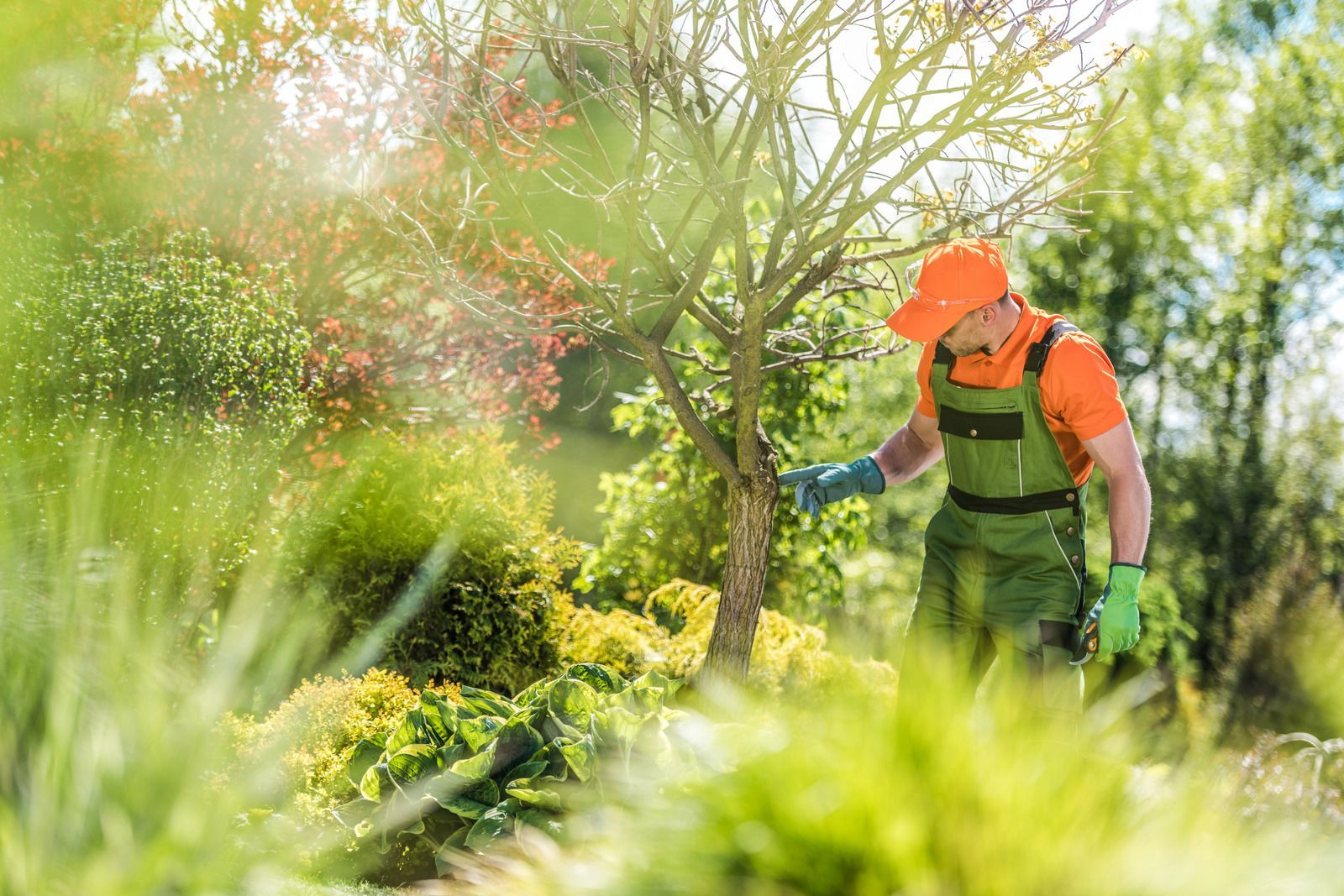
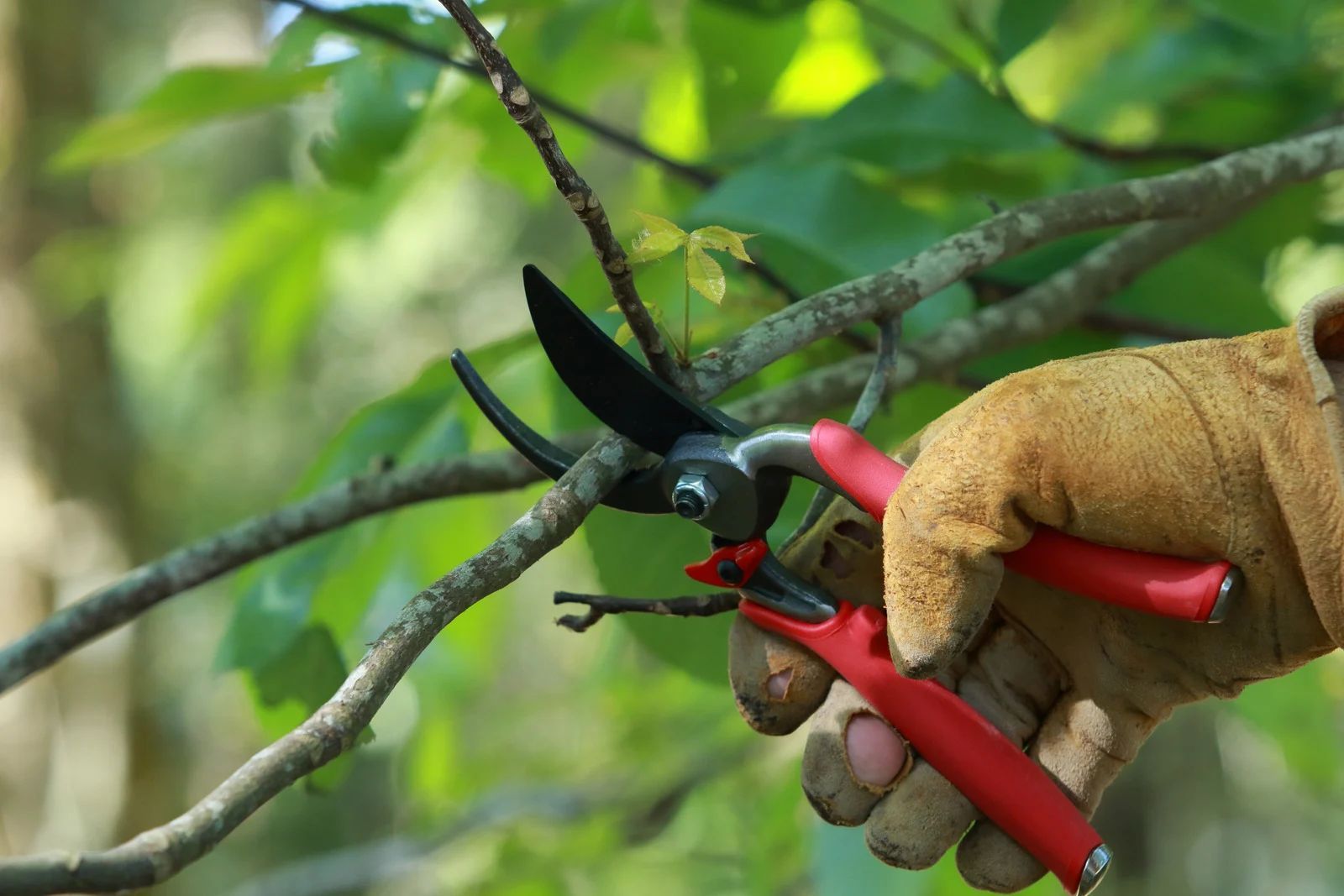
One of the primary benefits of regular tree pruning is the removal of dead, dying, or diseased branches. These compromised limbs can act as entry points for pests, fungi, and bacteria, which can quickly spread to other parts of the tree. By eliminating these weak areas early, we reduce the likelihood of infections and structural decline, ensuring the tree remains strong, vibrant, and capable of resisting further damage.
In real-world scenarios, trees that are left unpruned often show signs of decay spreading from a single infected branch to the trunk. Strategic pruning interrupts this process and allows the tree to allocate resources to healthier sections, improving its resilience over time and supporting long-term vitality in various environmental conditions.
Promoting Efficient Nutrient Distribution
Trees rely on a network of branches to distribute nutrients and energy. When excessive or unnecessary growth is present, nutrients are divided among too many limbs, weakening the overall structure. Pruning helps redirect these resources toward stronger, healthier branches, encouraging robust growth and improving the tree’s ability to thrive under different seasonal and environmental pressures.
This process is especially important for young trees, where early pruning shapes long-term health and structure. By guiding growth patterns early, we create a stronger framework that supports longevity and stability while minimizing future maintenance needs and preventing structural complications as the tree matures.
2. Encouraging Strong Structural Growth
Shaping the Tree for Stability
Proper pruning techniques help establish a balanced and stable tree structure. Removing competing leaders and poorly attached branches reduces the risk of breakage, especially during storms or high winds. A well-pruned tree develops a strong central structure that can better withstand environmental stress while maintaining consistent growth and structural integrity over many years.
For example, trees in urban or residential areas often face challenges such as limited space and exposure to wind tunnels between buildings. Regular pruning ensures that branches grow in a controlled manner, reducing the likelihood of structural failure and helping trees adapt more effectively to confined or challenging environments.
Preventing Hazardous Growth Patterns
Uncontrolled growth can lead to crossing branches, weak joints, and uneven weight distribution. These issues increase the risk of branch failure, which can result in property damage or personal injury. Through consistent pruning, we eliminate problematic growth patterns and maintain a safer environment for both property owners and the surrounding areas.
Best practices include identifying branches that rub against each other or grow inward toward the trunk. Removing these branches improves airflow and reduces mechanical stress, enhancing overall structural integrity and ensuring the tree remains balanced, healthy, and less prone to sudden damage or breakage.
3. Improving Sunlight Exposure and Air Circulation
Enhancing Photosynthesis Efficiency
Sunlight is essential for a tree’s ability to produce energy through photosynthesis. Dense canopies can block light from reaching inner branches and lower foliage, limiting growth and vitality. Pruning opens up the canopy, allowing sunlight to penetrate deeper into the tree and support more uniform and efficient energy production throughout all levels.
This increased exposure not only benefits the tree itself but also improves the health of surrounding plants and grass. Landscapes with properly pruned trees often experience more consistent growth across all vegetation, creating a healthier, more balanced, and visually appealing outdoor environment overall.
Reducing Moisture-Related Issues
Poor air circulation within dense foliage creates a humid environment that encourages fungal growth and pest infestations. By thinning out overcrowded branches, we improve airflow, which helps keep leaves dry and reduces the risk of disease while promoting healthier and more resilient plant development.
In climates with high humidity or frequent rainfall, this practice becomes even more critical. Regular pruning acts as a preventive measure, minimizing the need for chemical treatments and promoting a healthier ecosystem that supports sustainable growth and reduces long-term maintenance challenges.
4. Boosting Aesthetic Appeal and Property Value
Creating a Visually Pleasing Landscape
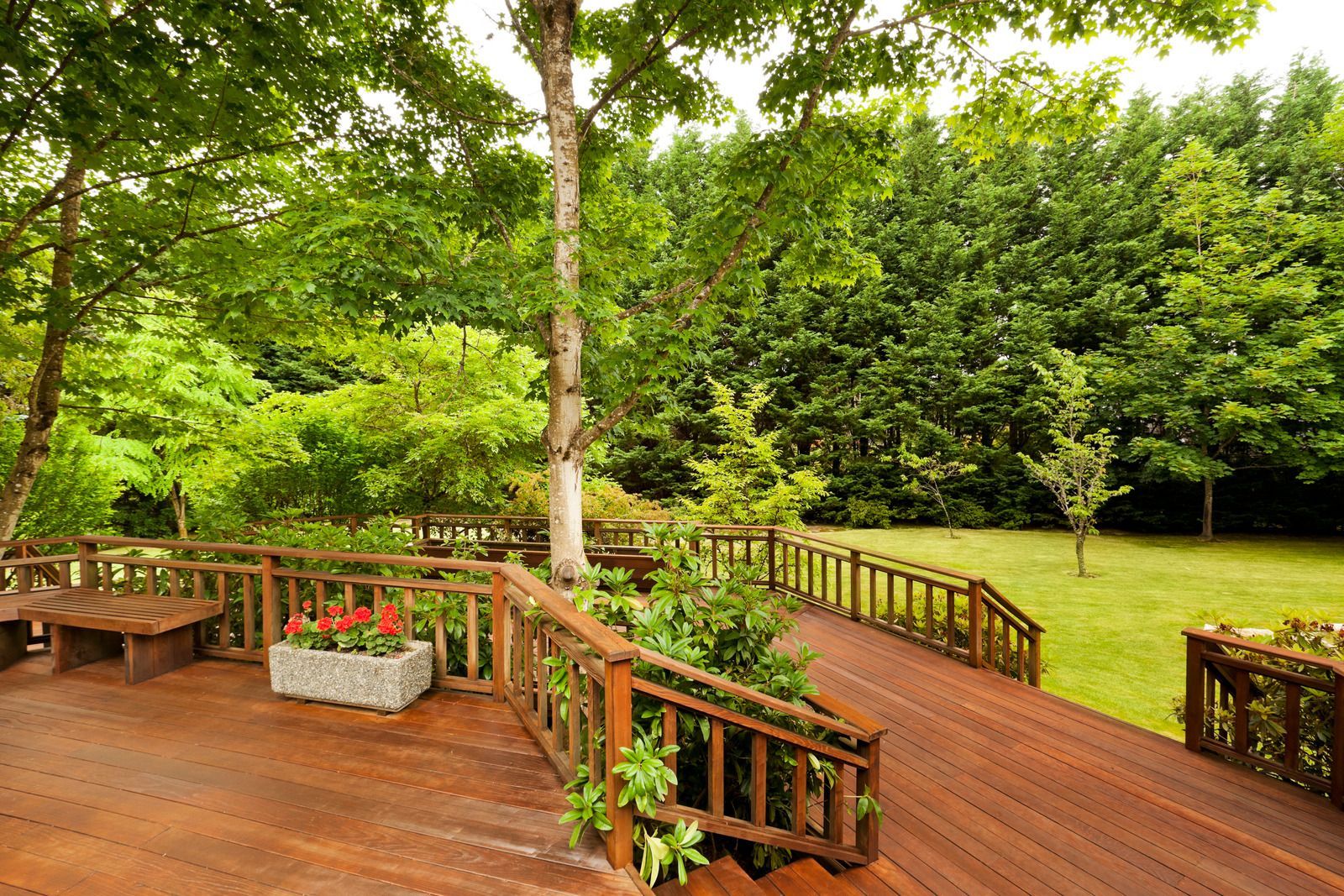
Well-maintained trees significantly enhance the overall appearance of a property. Pruning helps shape trees into attractive forms, complementing the surrounding landscape design. Whether it’s a residential yard or a commercial property, visually appealing trees create a positive impression and elevate the overall aesthetic quality of the space.
From a practical standpoint, neatly pruned trees can highlight architectural features, improve curb appeal, and contribute to a more organized outdoor space. This is particularly valuable for properties that are being marketed for sale or lease, as presentation plays a critical role in attracting interest.
Increasing Market Value
Landscaping plays a crucial role in property valuation, and healthy, well-maintained trees are a major asset. Regular pruning demonstrates that a property has been properly cared for, which can influence buyer perception and increase market value while enhancing overall desirability and long-term investment potential.
Real estate professionals often emphasize the importance of mature, healthy trees in attracting potential buyers. By investing in routine pruning, we not only preserve tree health but also enhance the financial value of the property and improve its competitiveness in the real estate market.
5. Enhancing Safety and Reducing Liability Risks
Preventing Falling Branch Hazards
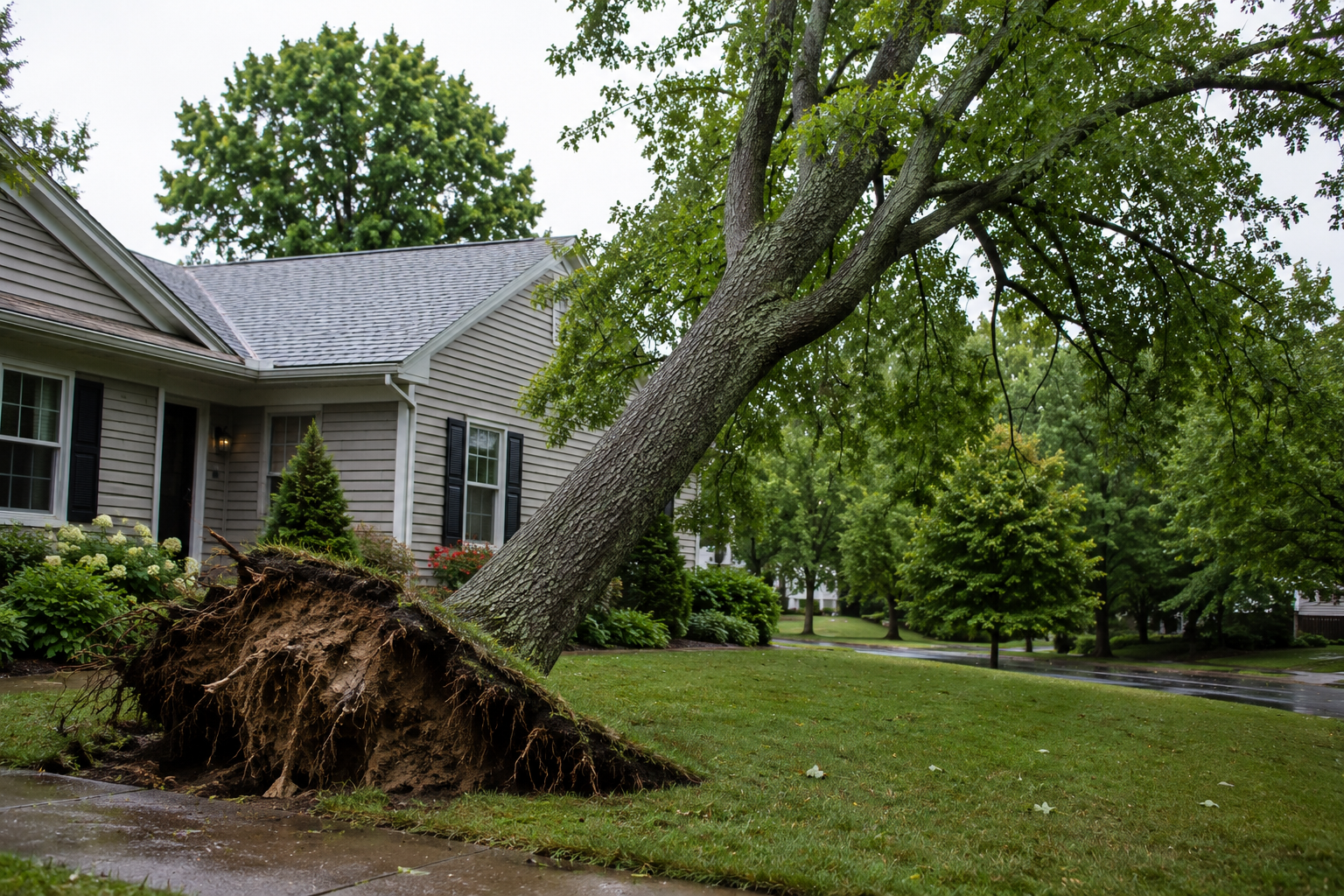
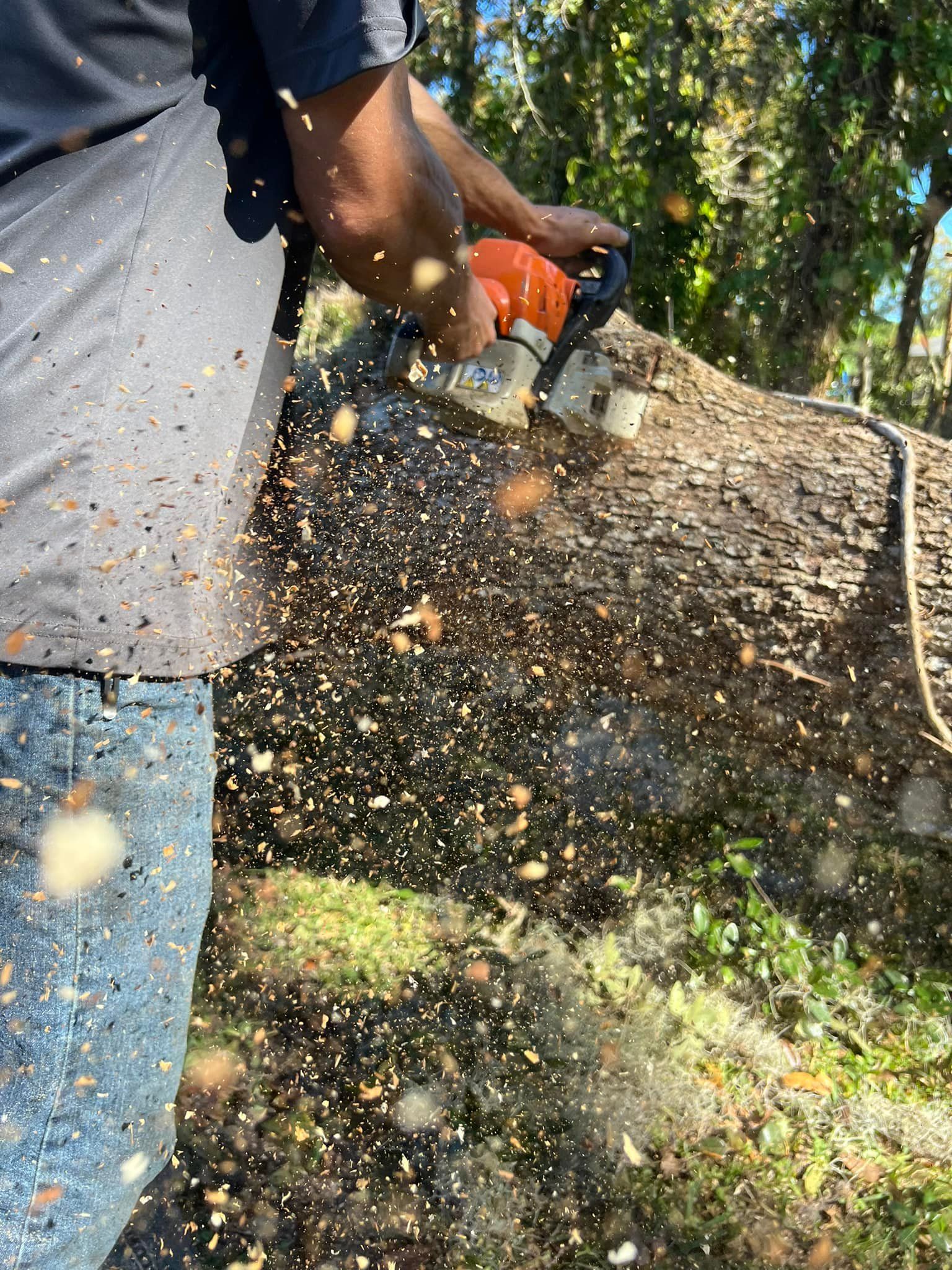
Dead or weakened branches pose a significant safety risk, especially during storms or high winds. Regular pruning removes these hazards before they can cause damage to structures, vehicles, or individuals, ensuring a safer environment for residents, visitors, and surrounding properties at all times.
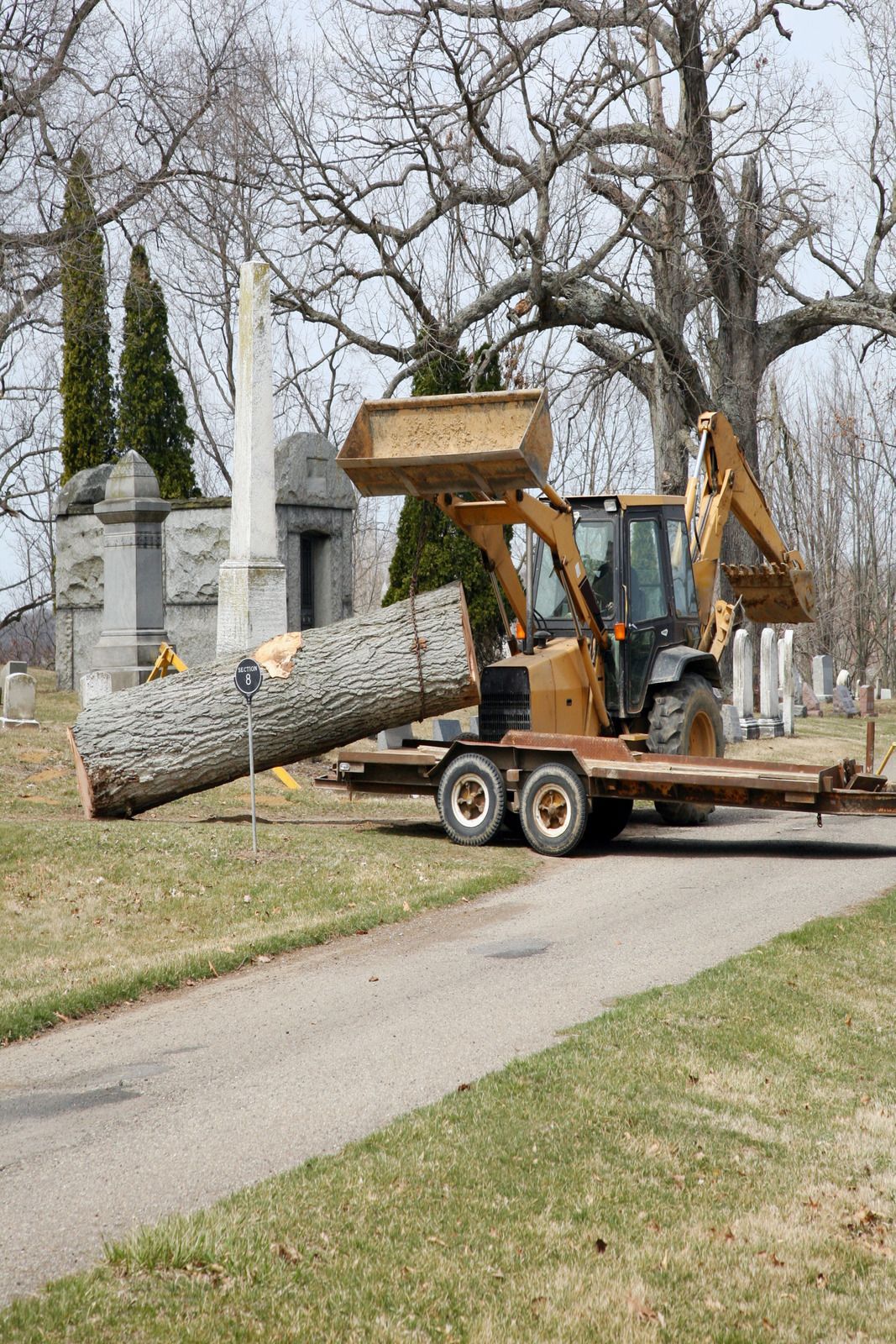
In public or commercial spaces, the importance of proactive tree maintenance cannot be overstated. Falling branches can lead to costly repairs and potential legal liabilities. Routine inspections and pruning help mitigate these risks effectively while maintaining compliance with safety standards and regulations.
Maintaining Clearance Around Structures and Utilities
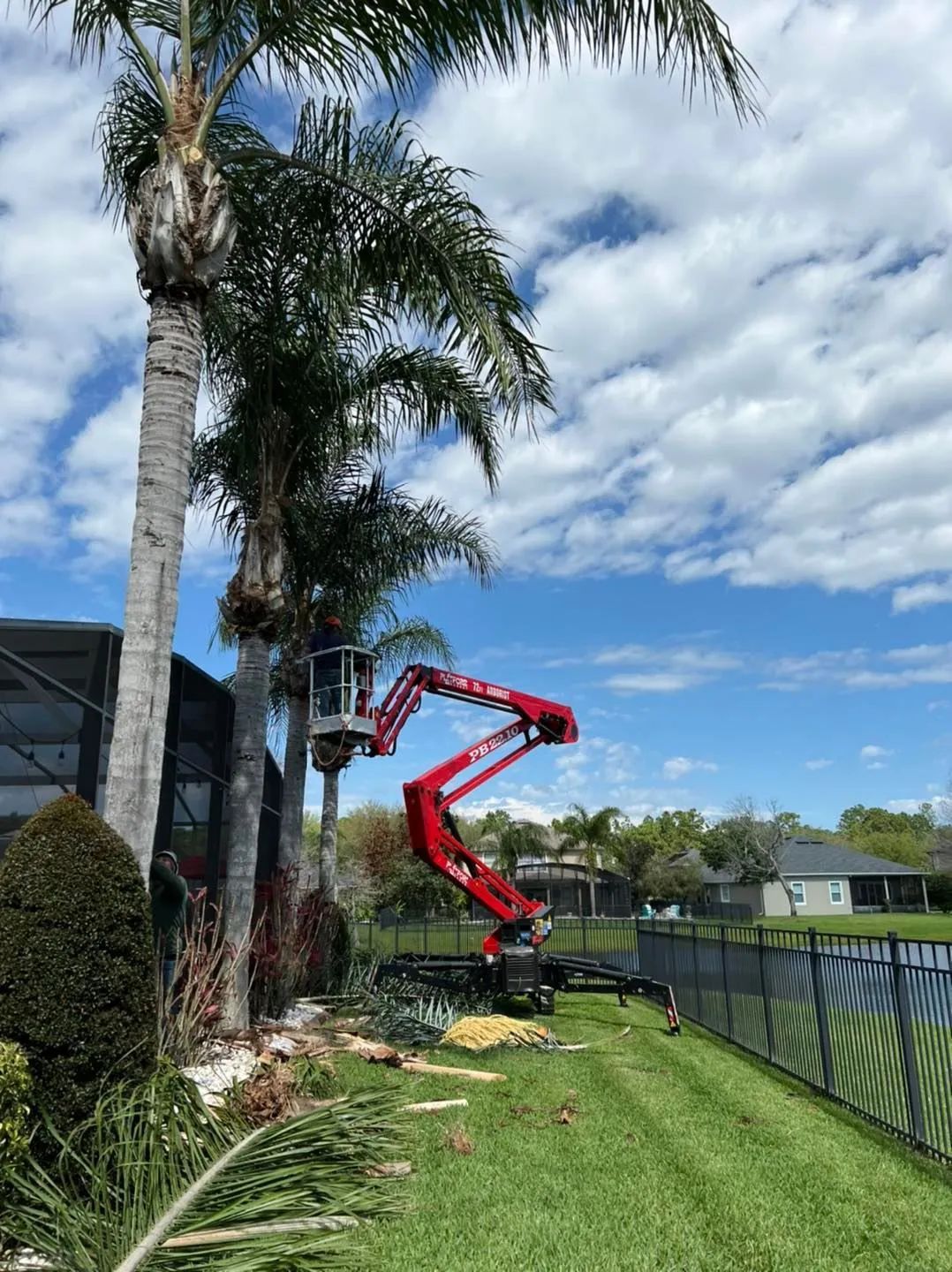
Trees that grow too close to buildings, power lines, or walkways can create safety concerns and operational challenges. Pruning ensures proper clearance, preventing interference with infrastructure and reducing the likelihood of accidents that could result in costly repairs or disruptions.
For example, overgrown branches near roofs can cause damage during storms, while those near power lines may pose fire hazards. Regular maintenance keeps growth in check and ensures compliance with safety standards while protecting both property and essential utility systems.
6. Supporting Seasonal Growth and Fruit Production
Encouraging Healthy Seasonal Cycles
Different tree species require pruning at specific times of the year to maximize growth and productivity. Seasonal pruning helps trees adapt to changing conditions, ensuring they remain healthy and vigorous while supporting consistent development and long-term sustainability across varying environmental conditions.
For instance, pruning during dormant seasons allows trees to focus energy on new growth in the spring. Understanding these cycles enables us to make informed decisions that align with natural growth patterns and improve overall tree performance and resilience.
Improving Fruit and Flower Production
For fruit-bearing and flowering trees, pruning is essential for maximizing yield and quality. Removing excess branches allows more sunlight to reach fruit-bearing areas, resulting in larger, healthier produce with improved taste, appearance, and overall nutritional value.
In practical applications, orchards rely heavily on strategic pruning to maintain productivity. Even in residential settings, proper pruning can significantly improve the output of fruit trees, making it a valuable practice for homeowners seeking better harvests and healthier plants.
Trusted Tree Care Experts Delivering Long-Term Landscape Value
When it comes to maintaining healthy, beautiful trees, experience and precision make a significant difference. At Better Than The Rest Arboriculture and Landscape, LLC, based in Winter Springs, FL, we bring 15 years of hands-on expertise in delivering professional tree care solutions tailored to diverse landscapes. Our approach focuses on combining industry knowledge with practical techniques to ensure optimal tree health and long-term sustainability.
We understand that every tree and property has unique requirements, which is why our pruning services are designed to address specific growth patterns, structural concerns, and environmental conditions. By prioritizing safety, efficiency, and attention to detail, we help property owners protect their investments while enhancing the overall appearance of their outdoor spaces.