Professional Tree Pruning vs DIY: What You Need to Know
Tree pruning is an essential aspect of maintaining healthy, safe, and visually appealing landscapes. Whether in residential yards or commercial properties, proper pruning promotes strong growth, prevents disease, and enhances overall tree structure. However, when it comes to choosing between professional tree pruning and a do-it-yourself (DIY) approach, property owners often face uncertainty. While DIY pruning may seem cost-effective and convenient, it can also involve risks and technical challenges that are easy to underestimate.
In today’s landscaping and arboriculture industry, the difference between professional expertise and amateur effort has become increasingly significant. Improper pruning techniques can lead to long-term damage, safety hazards, and costly corrections. On the other hand,
professional pruning services offer precision, efficiency, and adherence to industry standards. Understanding the key differences, benefits, and limitations of both approaches is critical for making informed decisions. This guide explores what you need to know about professional tree pruning versus DIY, helping you protect your investment and ensure optimal tree health.
1. Understanding Tree Pruning Fundamentals
What Tree Pruning Involves
Tree pruning is more than simply cutting branches. It is a strategic process that involves removing dead, diseased, or overgrown limbs to improve a tree’s health, structure, and safety. Proper pruning ensures that sunlight and air circulate effectively through the canopy, supporting balanced growth and reducing the risk of pest infestations.
Different pruning techniques, such as crown thinning, crown raising, and crown reduction, serve specific purposes. Each requires an understanding of tree biology, seasonal timing, and growth patterns. Without this knowledge, pruning efforts can inadvertently weaken the tree or disrupt its natural development.
Why Proper Technique Matters
Incorrect cuts can cause irreversible damage. For example, cutting too close to the trunk can harm the branch collar, while leaving stubs can invite disease and decay. Over-pruning can stress the tree, reducing its ability to photosynthesize and recover.
Professional arboriculture emphasizes precision and planning. Every cut is intentional, ensuring that the tree remains structurally sound and capable of healthy growth. This level of care is often difficult to achieve without proper training and experience.
2. The DIY Approach: Benefits and Limitations
Advantages of DIY Tree Pruning
DIY tree pruning appeals to many property owners due to its perceived cost savings and flexibility. Handling minor pruning tasks, such as removing small dead branches or shaping young trees, can be manageable with basic tools and guidance.
For individuals who enjoy hands-on landscaping, DIY pruning can also provide a sense of accomplishment. It allows for immediate action without scheduling appointments, making it convenient for routine maintenance.
Common Challenges and Risks
Despite its benefits, DIY pruning comes with notable limitations. One of the primary challenges is the lack of technical knowledge. Without understanding proper pruning techniques, it is easy to make mistakes that compromise tree health.
Safety is another major concern. Climbing ladders, handling sharp tools, and working near power lines increase the risk of injury. Even seemingly simple tasks can become hazardous without the right equipment and experience.
Additionally, misjudging the extent of pruning can lead to overcutting, which stresses the tree and makes it more vulnerable to pests and diseases. In many cases, the cost of correcting these mistakes exceeds the initial savings of DIY efforts.
3. Professional Tree Pruning: Expertise and Precision
Training and Industry Knowledge
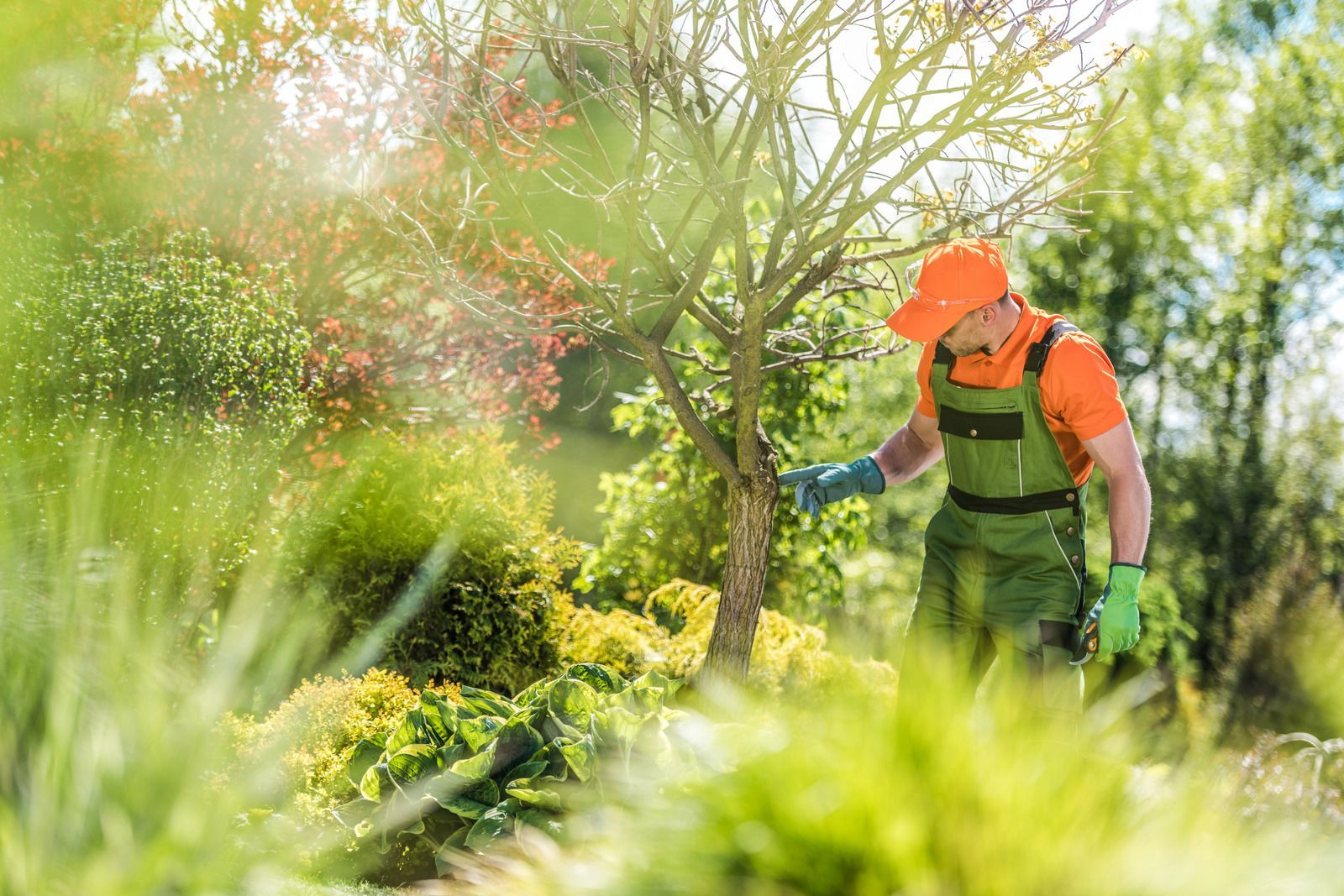
Professional tree pruning services bring a high level of expertise to the process. Certified arborists are trained in tree biology, growth patterns, and advanced pruning techniques. This knowledge allows for accurate assessment and tailored solutions for each tree.
Professionals understand how different species respond to pruning and can determine the best time and method for optimal results. This level of precision ensures that trees remain healthy and structurally stable.
Advanced Equipment and Safety Standards
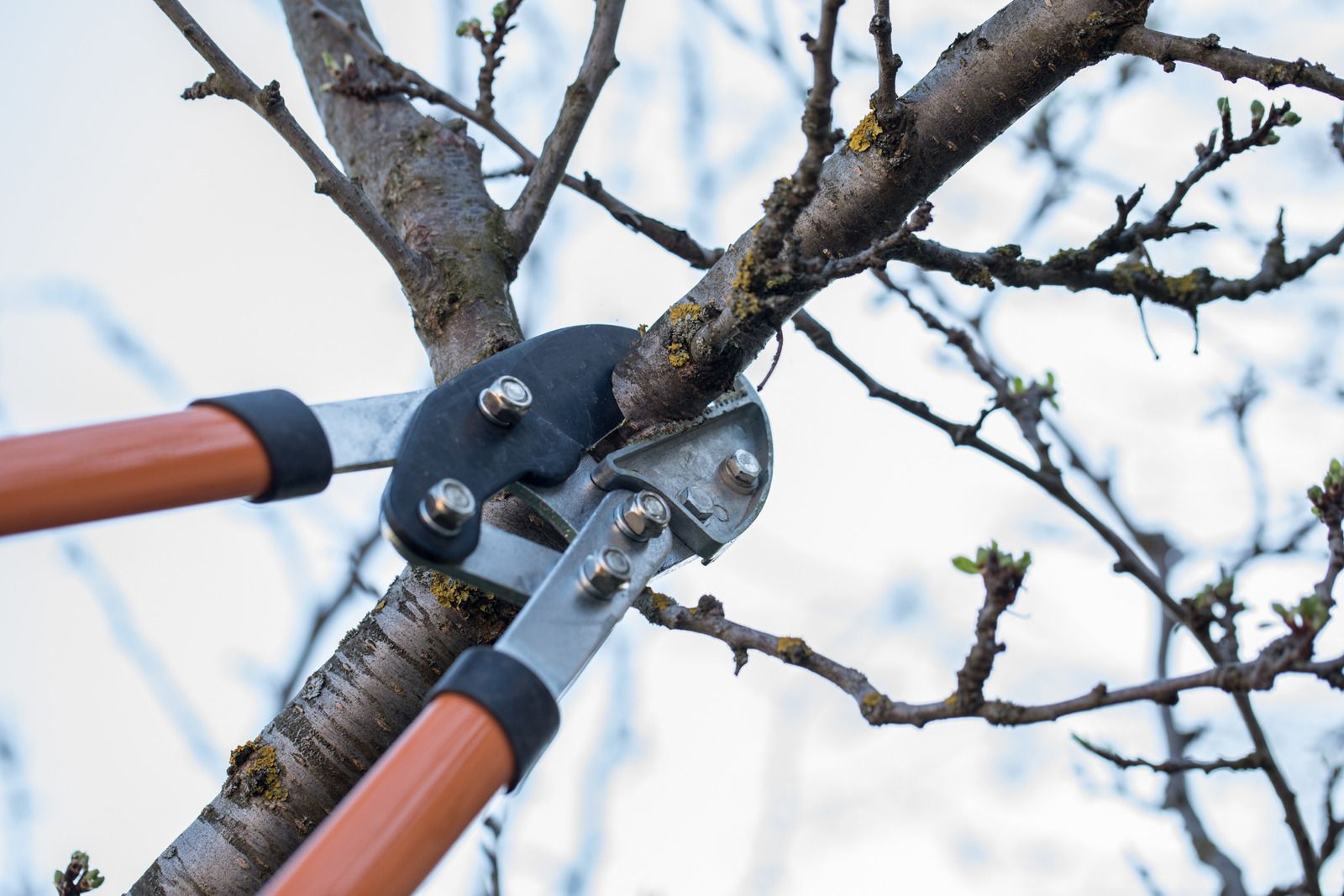
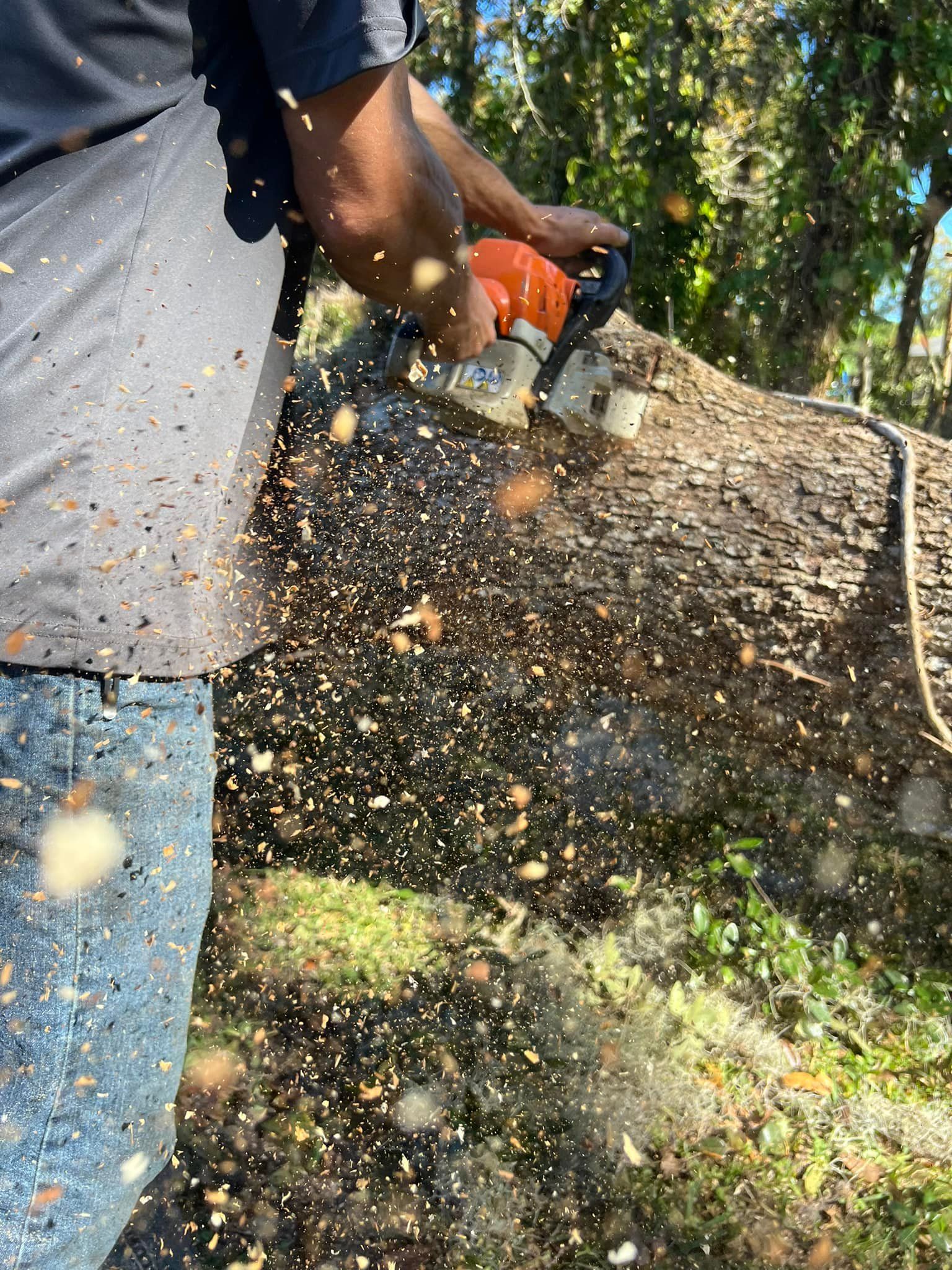
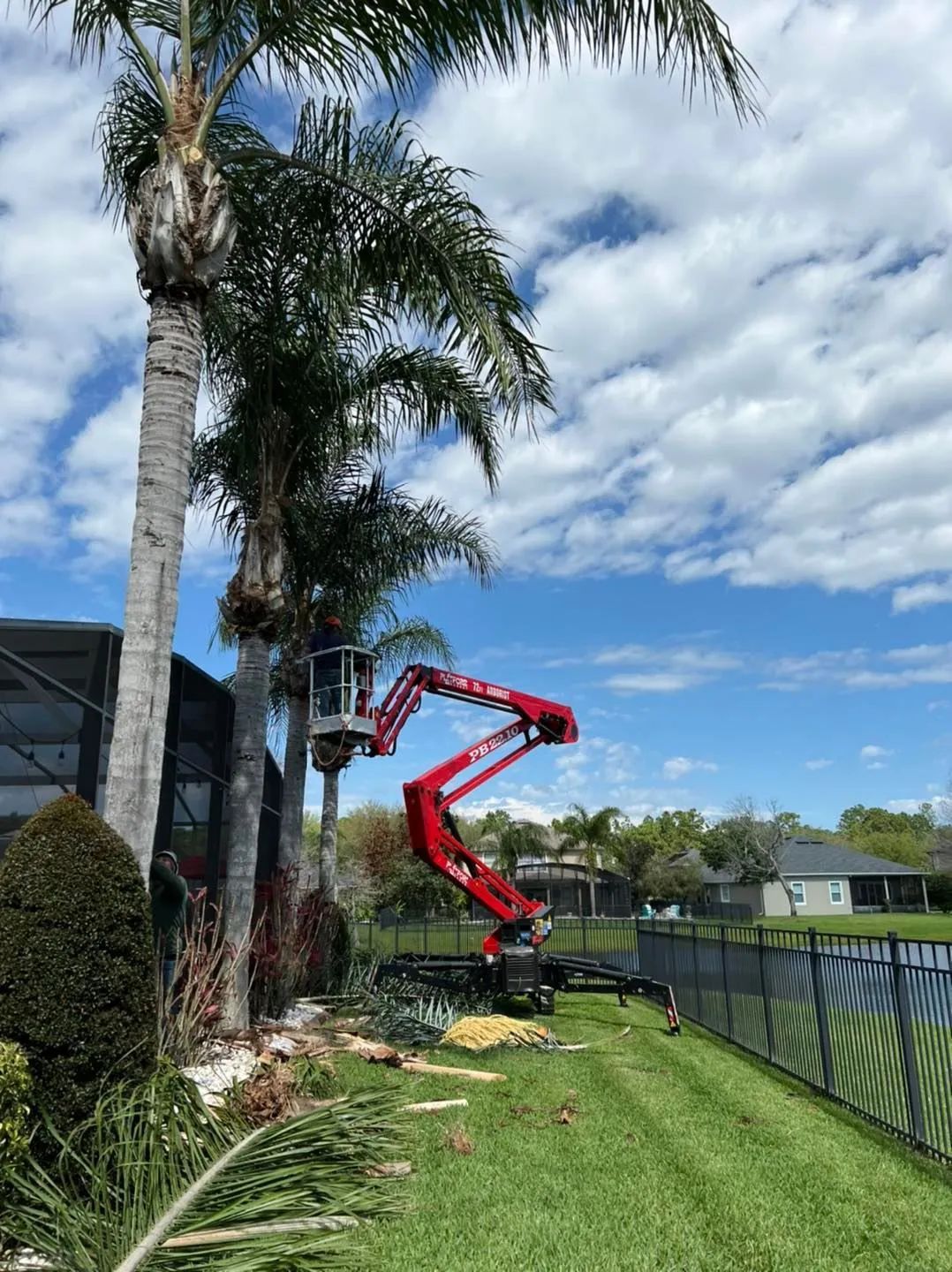
Professional pruning involves specialized tools and equipment designed for efficiency and safety. From pole pruners to climbing gear and aerial lifts, these tools enable access to hard-to-reach areas without compromising safety.
Safety protocols are a critical component of professional services. Proper training minimizes risks associated with heights, heavy branches, and electrical hazards. This reduces the likelihood of accidents and ensures that the job is completed without incident.
Long-Term Value and Results
While professional services may involve an upfront cost, they often deliver long-term value. Proper pruning enhances tree longevity, reduces maintenance needs, and prevents costly issues such as structural failure or disease outbreaks.
Investing in professional pruning also contributes to property value. Well-maintained trees improve curb appeal and create a positive impression, making them a valuable asset for any landscape.
4. Cost Comparison: Short-Term Savings vs Long-Term Investment
Evaluating DIY Costs
At first glance, DIY pruning appears to be the more economical option. Basic tools such as pruning shears and saws are relatively affordable, and there are no labor costs involved. However, this perspective often overlooks hidden expenses.
Purchasing or renting specialized equipment, repairing damaged trees, and addressing safety incidents can quickly add up. Additionally, the time and effort required for proper pruning should be considered as part of the overall cost.
Understanding Professional Pricing
Professional tree pruning services are priced based on factors such as tree size, location, complexity, and condition. While this may seem higher initially, it reflects the expertise, equipment, and safety measures involved.
When comparing costs, it is important to consider the potential consequences of improper pruning. Correcting mistakes, removing damaged trees, or addressing injuries can be significantly more expensive than hiring professionals from the outset.
Value-Based Decision Making
Choosing between DIY and professional pruning should not be based solely on cost. Instead, it should consider the value provided. Professional services offer reliability, efficiency, and long-term benefits that often outweigh the initial investment.
For larger or more complex trees, professional pruning is typically the more cost-effective choice in the long run.
5. When to Choose DIY vs Professional Services
Situations Suitable for DIY Pruning
DIY pruning can be appropriate for small, manageable tasks. These include trimming young trees, removing minor dead branches, or maintaining shrubs and hedges.
In these cases, the risks are minimal, and the required techniques are relatively simple. With proper research and basic tools, property owners can handle these tasks effectively.
Scenarios Requiring Professional Expertise
Certain situations demand professional intervention. Large trees, trees near structures or power lines, and those showing signs of disease or structural instability require specialized knowledge and equipment.
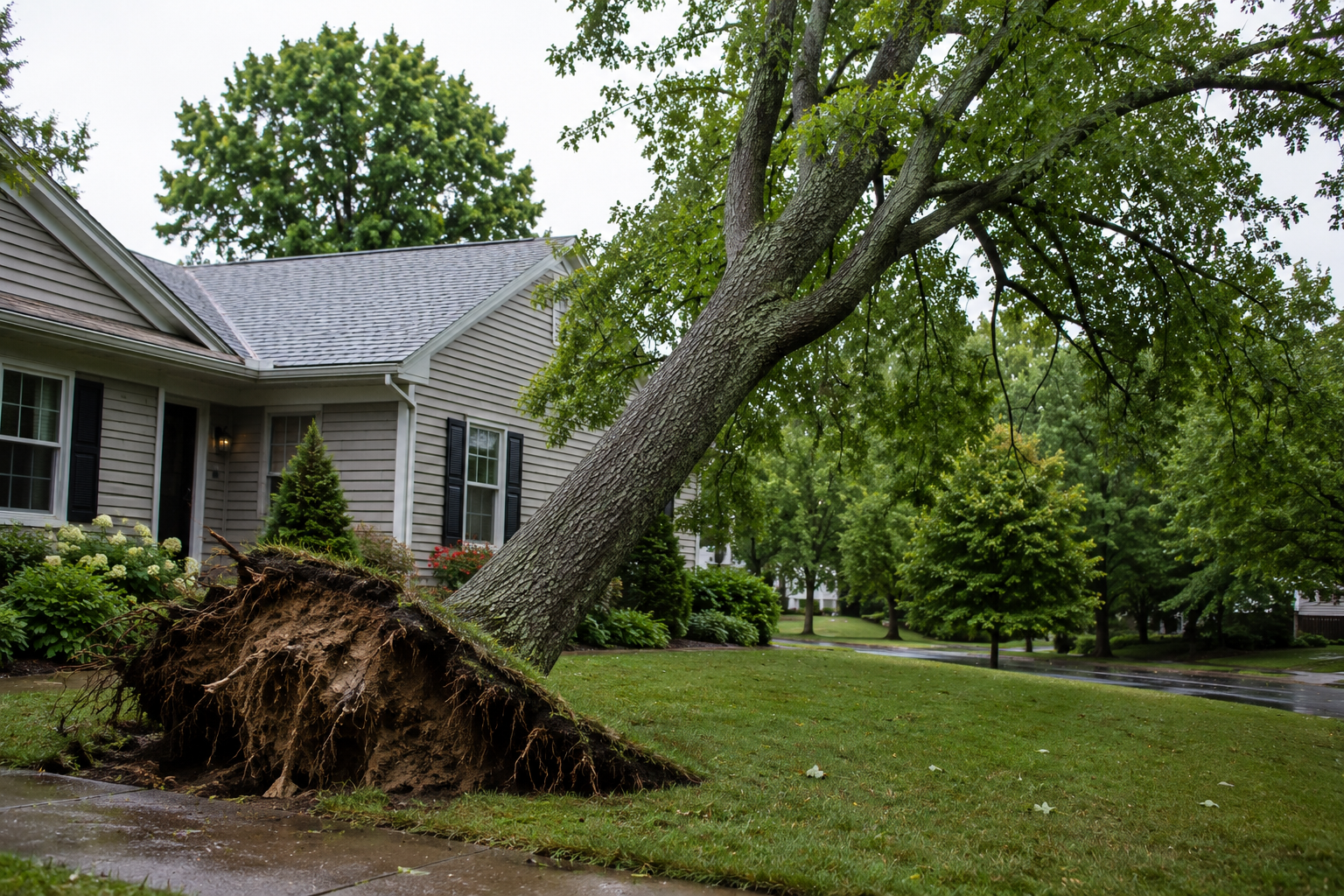
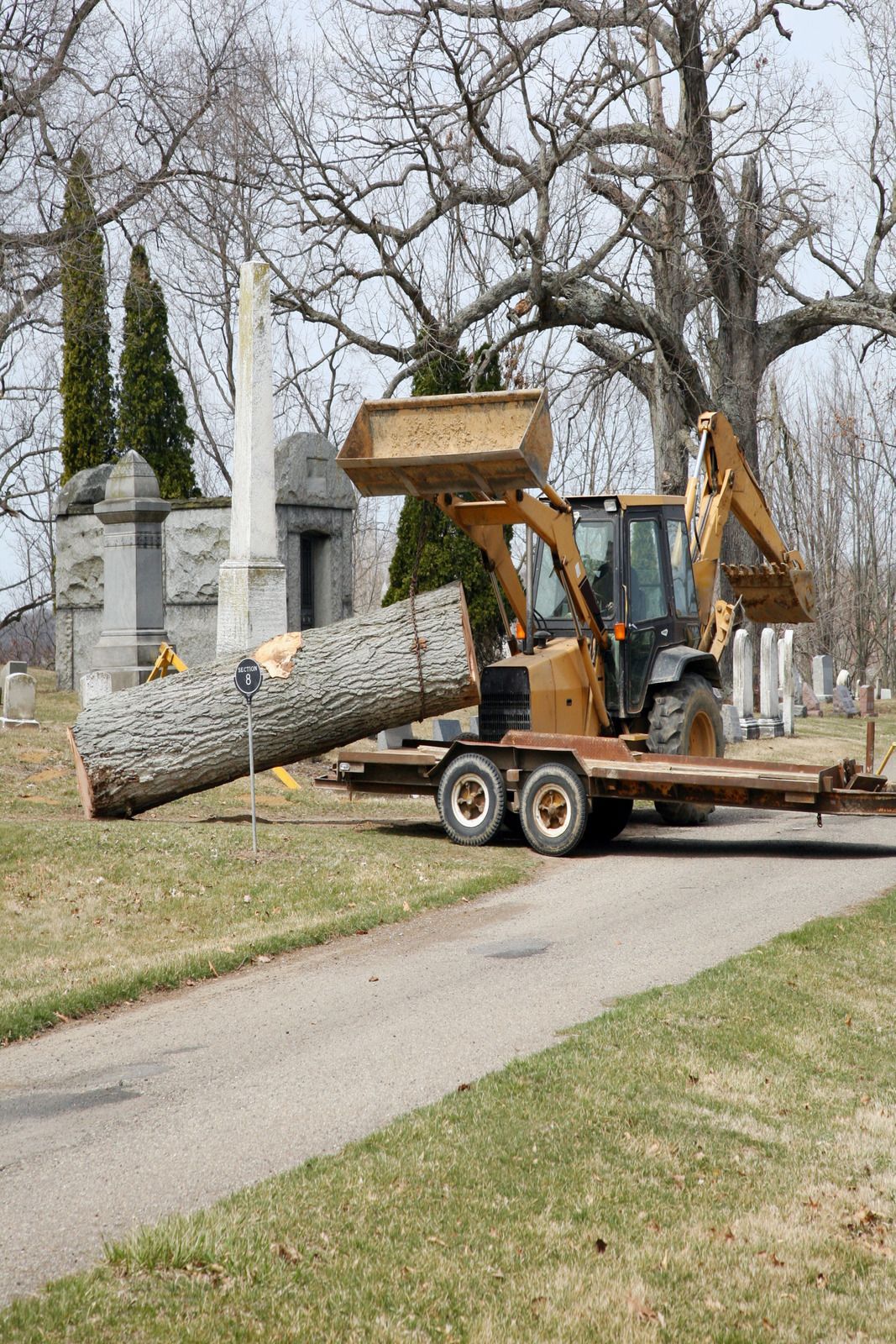
Storm-damaged trees are another example where professional services are essential. Handling broken or hanging branches can be dangerous and should be approached with caution.
Additionally, trees that require significant shaping or corrective pruning benefit from professional expertise. These tasks involve strategic planning and precise execution to avoid long-term damage.
6. Best Practices for Safe and Effective Tree Pruning
Timing and Seasonal Considerations
Pruning at the right time is crucial for tree health. Most trees benefit from pruning during their dormant season, typically in late winter. This minimizes stress and encourages healthy growth in the spring.
However, certain species have specific timing requirements. Understanding these nuances is essential for achieving the best results.
Proper Tools and Techniques
Using the right tools is fundamental to effective pruning. Sharp, clean tools ensure smooth cuts and reduce the risk of infection. Disinfecting tools between cuts is also important, especially when dealing with diseased branches.
Techniques such as the three-cut method for removing large branches help prevent bark tearing and structural damage. These practices are standard in professional pruning but often overlooked in DIY efforts.
Avoiding Common Mistakes
Over-pruning is one of the most common errors. Removing too much foliage can weaken the tree and hinder its ability to produce energy. A general guideline is to avoid removing more than 25% of the canopy at one time.
Another mistake is topping, which involves cutting the upper portion of the tree indiscriminately. This practice can lead to weak regrowth and increased vulnerability to pests and disease.
Ongoing Maintenance and Monitoring
Tree pruning is not a one-time task. Regular inspections and maintenance are necessary to ensure continued health and safety. Identifying issues early allows for timely intervention and prevents more serious problems.
Professional services often include ongoing care plans, providing consistent monitoring and maintenance tailored to the needs of each tree. This proactive approach helps maintain a healthy and attractive landscape over time.
Trusted Experts Deliver Reliable Tree Care Solutions
When it comes to achieving the highest standards in tree care, experience and professionalism make a measurable difference. At Better Than The Rest Arboriculture and Landscape, LLC, located in Winter Springs, FL, we bring 15 years of hands-on expertise to every project. Our approach focuses on precision pruning, safety, and long-term tree health, ensuring that every landscape we work on thrives.