Common Tree Emergencies and How to Handle Them Safely
Trees are a vital part of our landscapes, providing shade, improving air quality, and enhancing property aesthetics. However, like any living organism, trees are susceptible to emergencies that can pose risks to both people and property. From storm damage to sudden disease outbreaks, tree emergencies can occur unexpectedly, often requiring immediate attention. Knowing how to recognize and respond to these situations is crucial for maintaining safety and preserving the health of your trees. Whether you’re a homeowner, property manager, or landscaping professional, understanding tree emergencies equips you to act decisively and prevent small issues from escalating into costly or dangerous situations.
The importance of timely intervention cannot be overstated. Trees may appear stable yet harbor hidden structural weaknesses that can lead to dangerous failures. A proactive approach to identifying potential hazards and responding appropriately is essential. This blog will explore common tree emergencies, practical ways to address them safely, and best practices recommended by experts in arboriculture. By the end, readers will have a clear understanding of how to manage these situations effectively, minimize risk, and ensure the longevity of their trees while protecting people and property around them.
1. Storm Damage: Broken Branches and Uprooted Trees
Understanding the Risks
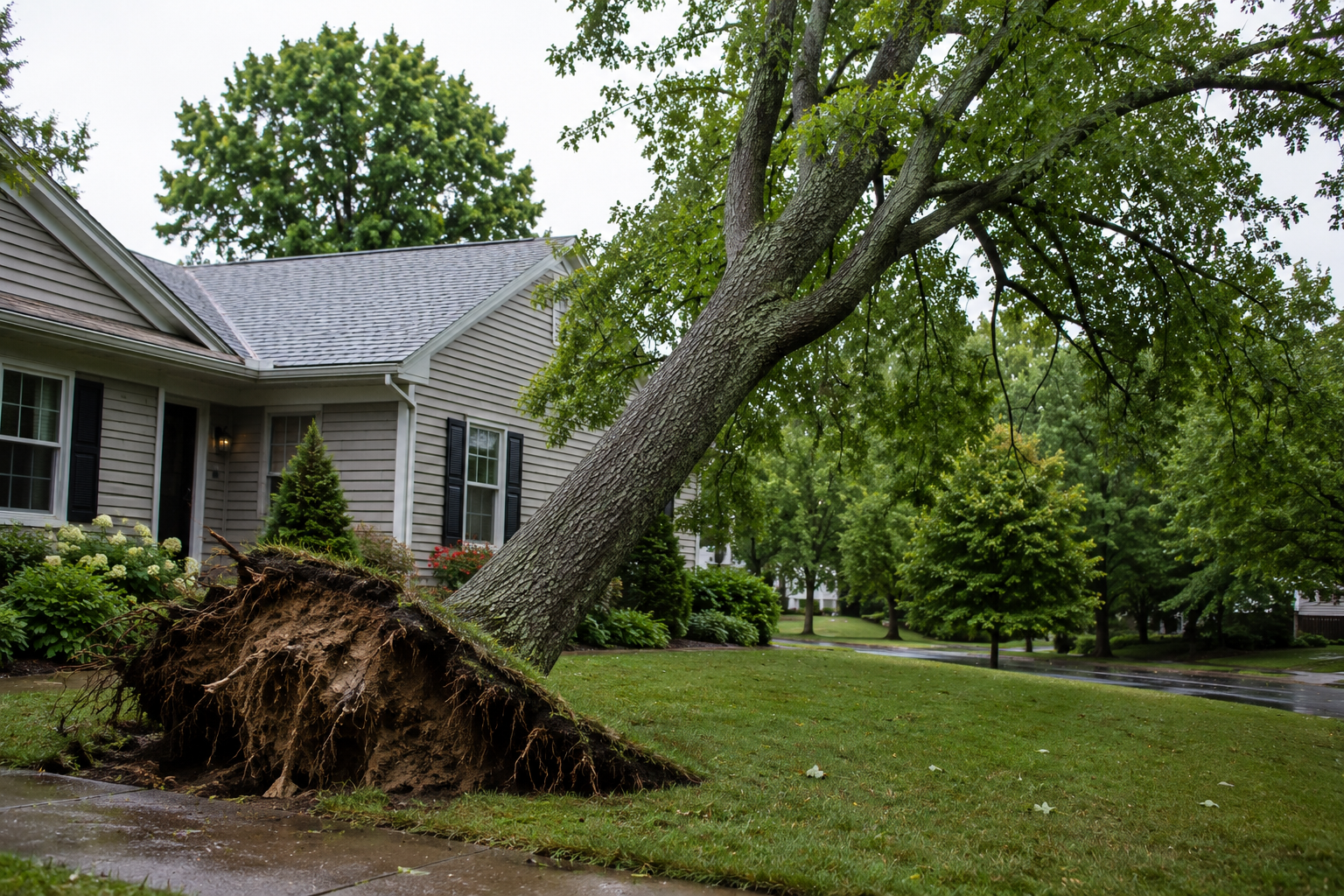
Storms are one of the most frequent causes of tree emergencies. High winds, heavy rain, and lightning can cause branches to snap, limbs to fall, or entire trees to uproot. Broken branches may hang precariously, creating immediate hazards for anyone nearby, while uprooted trees can damage structures, vehicles, and power lines.
Immediate Safety Measures
Safety is the top priority. Keep a safe distance from the affected tree and surrounding area. Never attempt to remove large broken limbs or an uprooted tree on your own, as this can lead to serious injury. Instead, cordon off the area and call a professional arborist to assess the situation.
Professional Handling
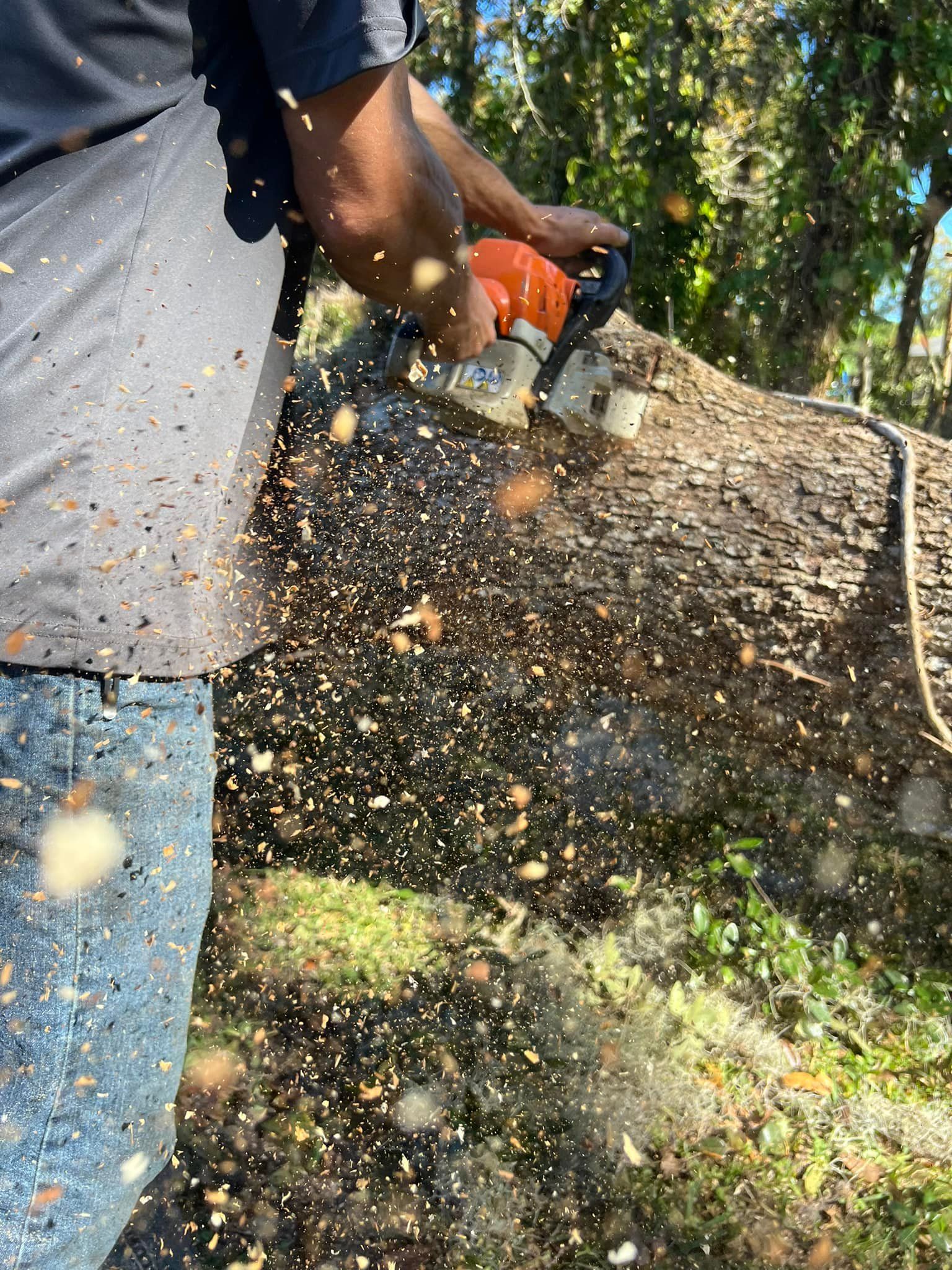
Certified arborists use specialized equipment such as chainsaws, cranes, and rigging systems to safely remove damaged branches or trees. They can also inspect nearby trees for structural weaknesses that may have been exacerbated by the storm. Prompt professional intervention reduces further property damage and prevents injuries.
Real-World Example
After a recent thunderstorm, a homeowner noticed a large oak branch hanging over their driveway. By calling an arborist immediately, the branch was safely removed, preventing potential vehicle damage and injury. This scenario demonstrates the importance of professional support in managing storm-related emergencies.
2. Lightning Strikes: Immediate Threats and Structural Damage
How Lightning Impacts Trees
Lightning strikes can cause severe damage to trees, splitting trunks, stripping bark, and leaving trees structurally unsound. The electrical charge generates extreme heat, potentially igniting fires or causing explosive damage to branches. Trees struck by lightning may appear intact initially, but internal damage can make them dangerous over time.
Safety Precautions
If a tree is struck by lightning, maintain a safe distance until an arborist can assess the situation. Look for signs of cracking, peeling bark, or charred areas, but avoid getting close to weakened limbs or trunks. Do not attempt to climb the tree or remove damaged portions yourself.
Expert Intervention
Professional arborists can evaluate the stability of a struck tree and determine if removal or pruning is necessary. They may also treat salvageable trees to prevent disease or pest infestations caused by lightning damage. Early professional assessment minimizes risk and protects surrounding property.
Example Scenario
A lightning strike damaged a maple tree near a residential patio. Although the tree remained standing, an arborist determined it had internal splits that could have led to sudden collapse. Proper removal and replacement prevented a serious accident and safeguarded the property.
3. Falling Limbs: Prevention and Response
Why Limbs Fall
Falling limbs are common emergencies caused by weak branch attachments, decay, disease, or severe weather. Even seemingly healthy trees can drop limbs due to hidden structural issues. Falling limbs can damage vehicles, homes, or power lines and pose serious injury risks to people nearby.
Early Detection
Regular tree inspections can identify branches at risk. Look for cracks, cavities, fungal growth, or leaning branches. Prompt attention to these warning signs allows property owners to take preventative measures before an incident occurs.
Safe Response Techniques
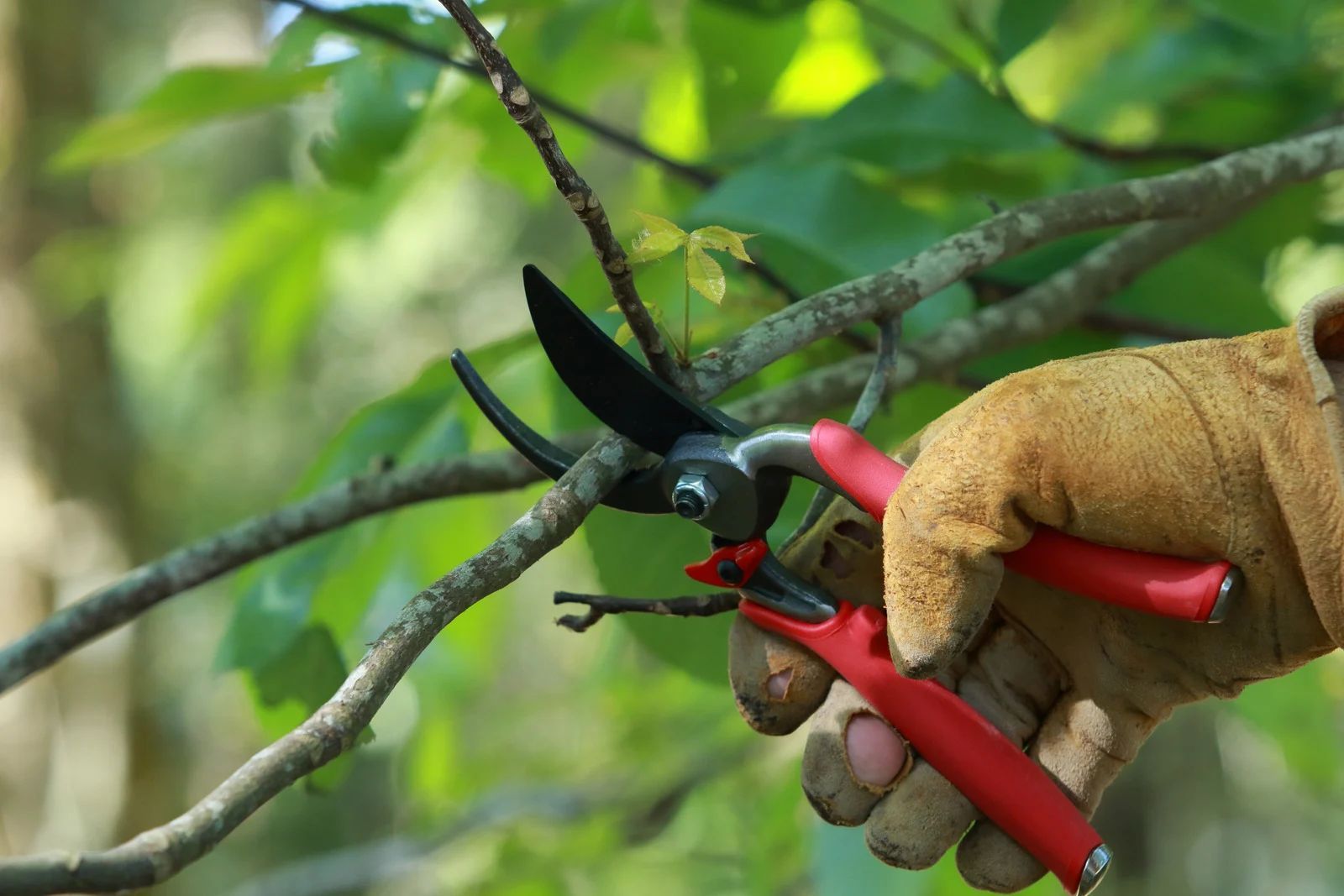
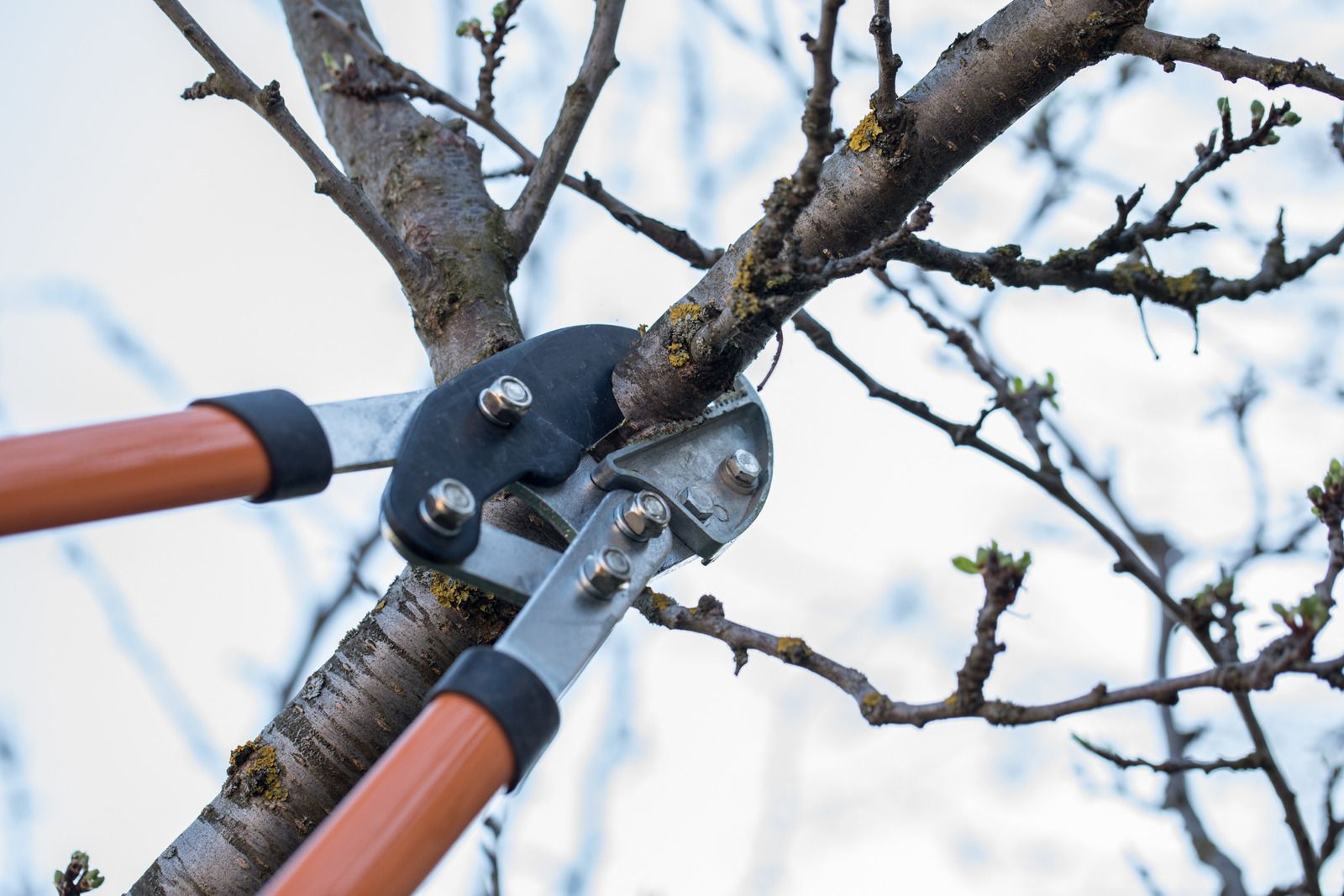
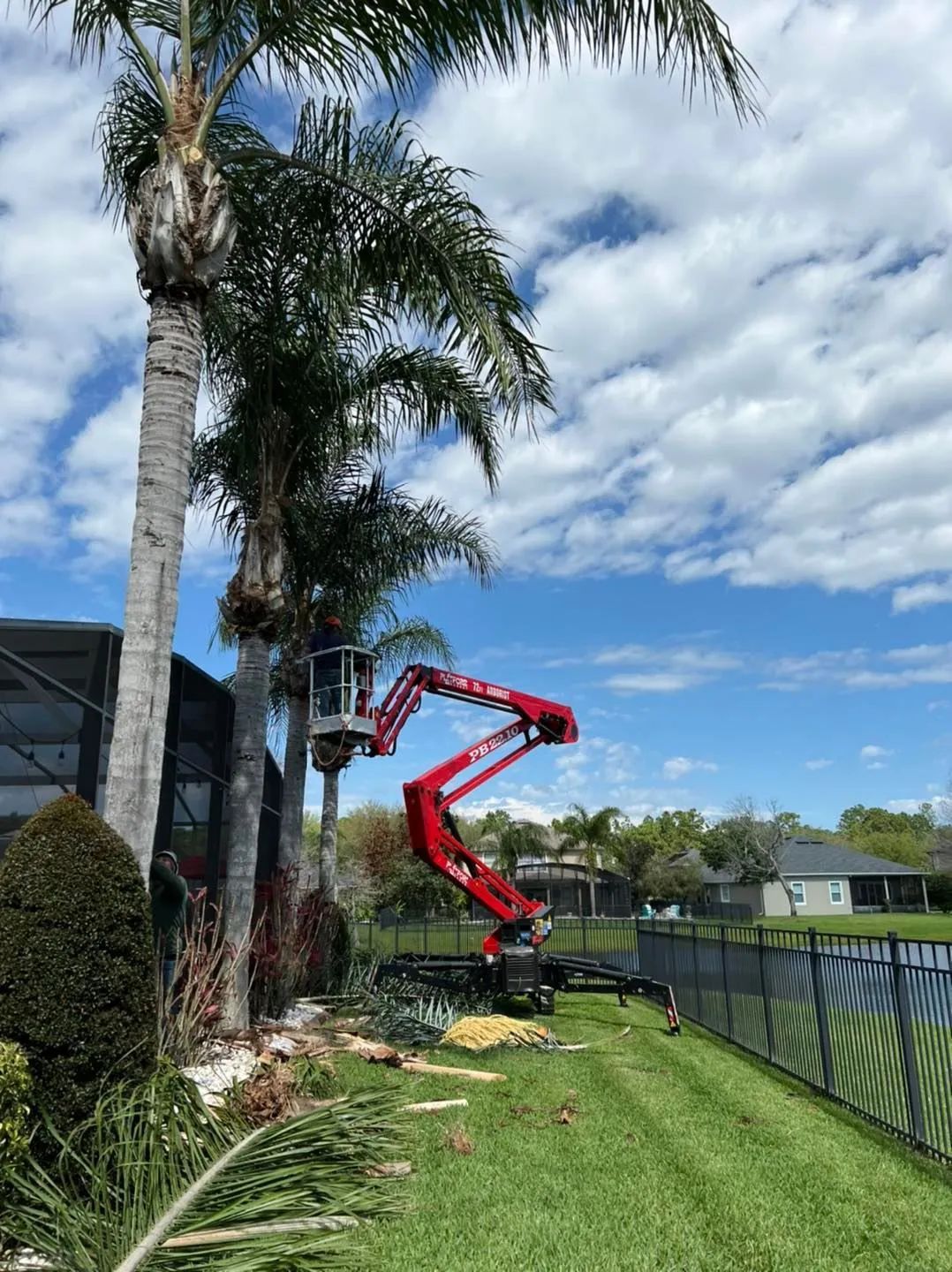
For minor limb concerns, homeowners can use basic pruning tools while following strict safety protocols, such as wearing helmets and protective gloves. However, for large or high branches, professional arborists are essential. They employ safety harnesses, ropes, and mechanical equipment to remove limbs safely without causing further damage.
Best Practices
Routine tree maintenance, including pruning and structural assessment, reduces the risk of limb failure. Property owners should schedule annual inspections with certified arborists, especially for large or old trees in high-traffic areas.
Case Example
A homeowner noticed a large limb cracking on a mature pine tree. Contacting an arborist resulted in a controlled removal, preventing potential injury to children playing nearby and avoiding property damage. This highlights the preventive benefits of regular tree care.
4. Tree Diseases and Pest Infestations
Recognizing Tree Health Emergencies
Diseases and pests can weaken trees significantly, making them more prone to falling or losing limbs unexpectedly. Common issues include fungal infections, bacterial diseases, and infestations by destructive insects such as beetles or borers. Early detection is critical to prevent tree death and reduce emergency risks for both people and property in the surrounding area.
Identifying Warning Signs
Look for discolored leaves, dieback in branches, holes in bark, oozing sap, or unusual growths on the trunk. Pest infestations can accelerate structural decay, turning otherwise stable trees into potential hazards that may require immediate attention. Observing these early warning signs allows property owners to act proactively.
Intervention Strategies
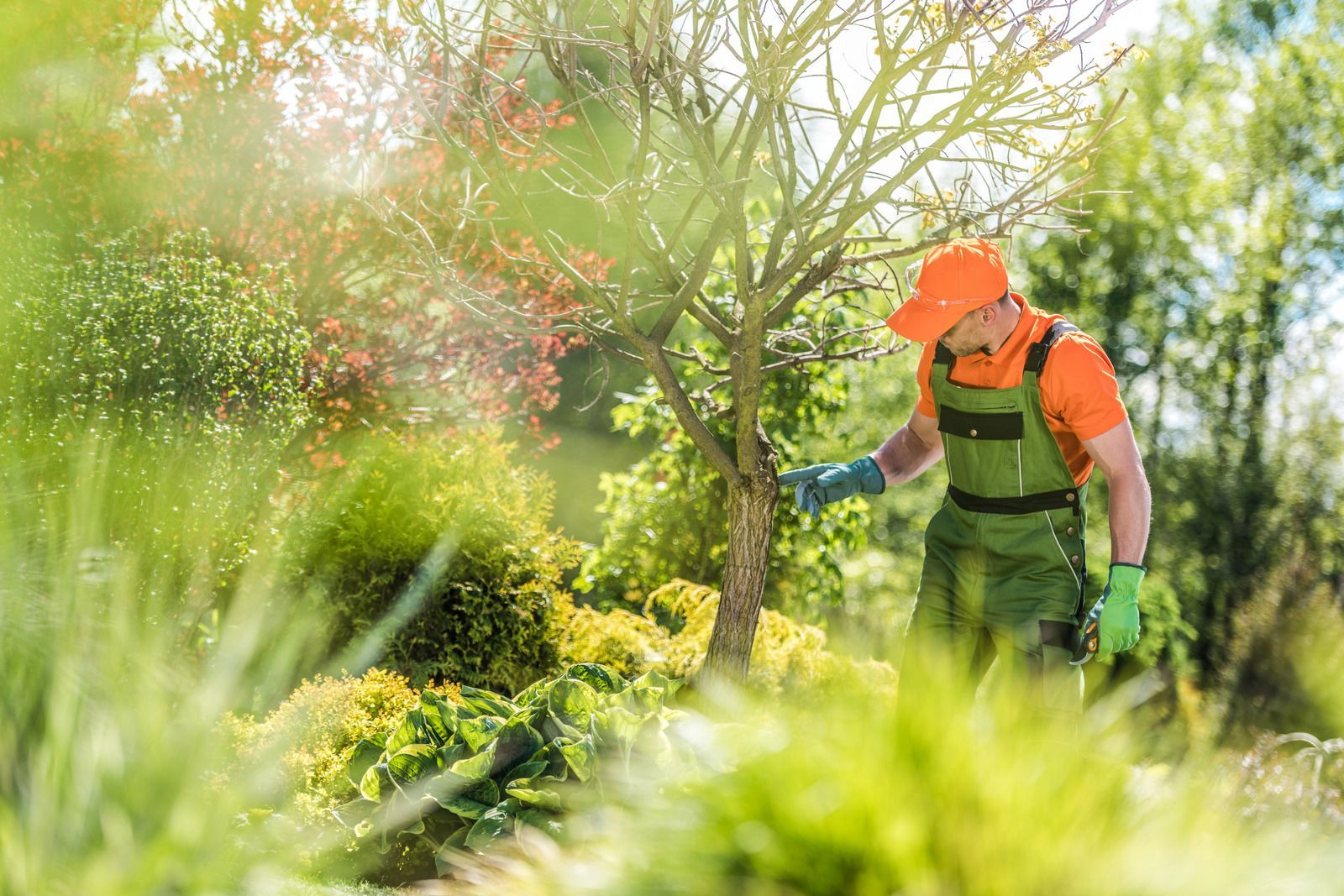
Certified arborists can diagnose the problem quickly, recommend effective treatments, and safely remove any compromised limbs or sections of the tree. Treatments may include careful pruning, targeted insecticides, fungicides, or essential soil amendments. Addressing health issues early reduces the risk of emergencies and helps preserve overall tree longevity and vitality.
Benefits of Proactive Management
Proactive tree health management ensures trees remain strong, resilient, and less likely to fail during extreme weather. It also minimizes the need for emergency interventions, which are often costlier, riskier, and more disruptive than preventive measures performed in advance.
Real-Life Scenario
A homeowner discovered a mature walnut tree infested with beetles throughout its branches. Immediate intervention by an experienced arborist involved targeted treatment and removal of weakened limbs, successfully preventing a potential collapse that could have severely damaged the house and surrounding landscape.
5. Storm Aftermath: Debris and Blocked Pathways
Common Situations Post-Storm
After severe weather, trees often leave extensive debris that blocks driveways, sidewalks, and access to homes. Fallen branches, leaves, or entire trees can obstruct pathways and create hazardous conditions that make navigation unsafe for residents or visitors.
Safe Cleanup Practices
Debris removal may seem straightforward, but hidden hazards like sharp branches, hanging limbs, or unstable trees require extreme caution. Property owners should avoid handling large or unstable debris themselves. Wearing proper protective gear, including gloves, boots, and eye protection, is essential for safety.
Professional Assistance
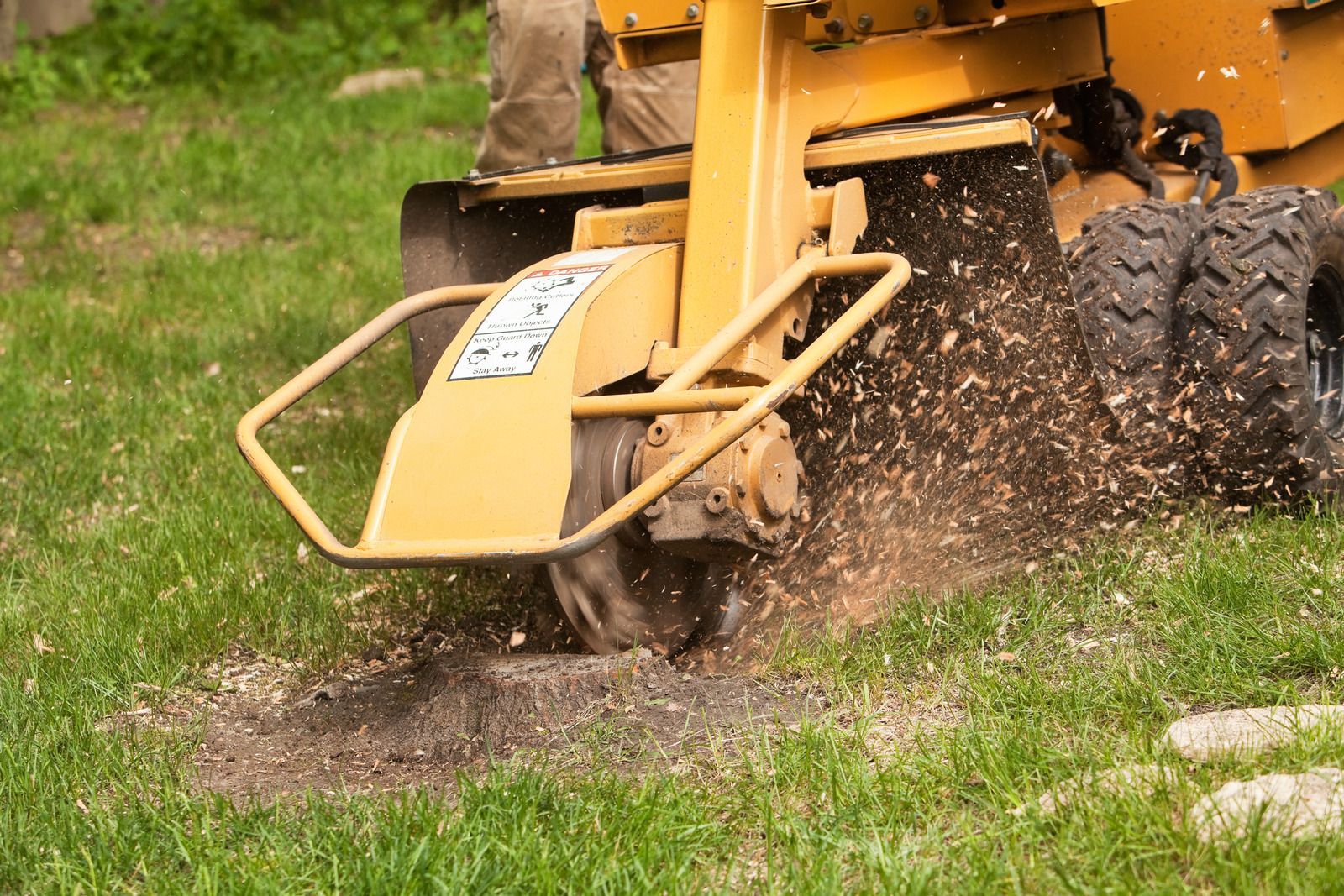
Arborists are trained to assess post-storm debris efficiently and safely, identifying hazards that may not be obvious. They use specialized tools such as chainsaws, wood chippers, and cranes to remove obstacles effectively, reducing injury risk and restoring property accessibility quickly and professionally.
Real-World Example
After a winter storm, a commercial property had several large oaks blocking its parking lot entirely. Certified arborists assessed the trees carefully, removed the debris safely, and ensured that the remaining trees were stable, preventing further incidents and avoiding property damage.
6. Uprooted or Leaning Trees: Stabilization and Removal
Understanding the Danger
Trees that are leaning or partially uprooted pose significant hazards to nearby people, vehicles, and structures. Their altered weight distribution can make them susceptible to falling unexpectedly, especially during high winds or heavy rain, creating a dangerous situation.
Indicators of Instability
Signs of instability include exposed roots, tilted trunks, soil displacement, or visible cracks along the trunk. These indicators clearly signal the need for immediate assessment to prevent catastrophic tree failure that could result in severe property damage or injuries.
Handling Leaning Trees Safely
Professional arborists use advanced rigging systems, braces, and controlled cutting techniques to stabilize or remove dangerous trees safely. Attempting to address these situations without training, tools, and expertise can result in serious injury or additional property damage.
Benefits of Professional Intervention
Timely professional action ensures the tree is removed or stabilized safely, minimizing environmental impact and reducing property damage. Additionally, arborists can advise on replacement planting if removal is necessary, maintaining both safety and landscape aesthetics for the property.
Scenario Example
A storm caused a large oak tree to lean dangerously toward a home, creating immediate risk. A certified arborist used rigging and professional cutting techniques to safely remove the tree, preventing structural damage and ensuring the safety of all occupants nearby.
Your Trusted Arboriculture Team for Emergency Solutions
Tree emergencies can happen without warning, and understanding how to handle them safely is essential for protecting both people and property. From storm damage and falling limbs to diseases, pest infestations, and leaning trees, each situation presents unique risks. Early detection, preventive maintenance, and professional intervention are critical strategies to minimize hazards. Regular inspections, timely pruning, and health monitoring keep trees strong, resilient, and less likely to become emergencies.
At Better Than The Rest Arboriculture and Landscape, LLC, we bring 15
years of experience serving Winter Springs, FL, in addressing tree emergencies with precision and care. Our team is trained to manage everything from storm damage and lightning strikes to disease treatment and safe tree removal. By combining expertise, advanced equipment, and a commitment to safety, we ensure that your trees and property remain protected. Trust our professionals to respond promptly, provide reliable solutions, and maintain the health and beauty of your landscape for years to come.